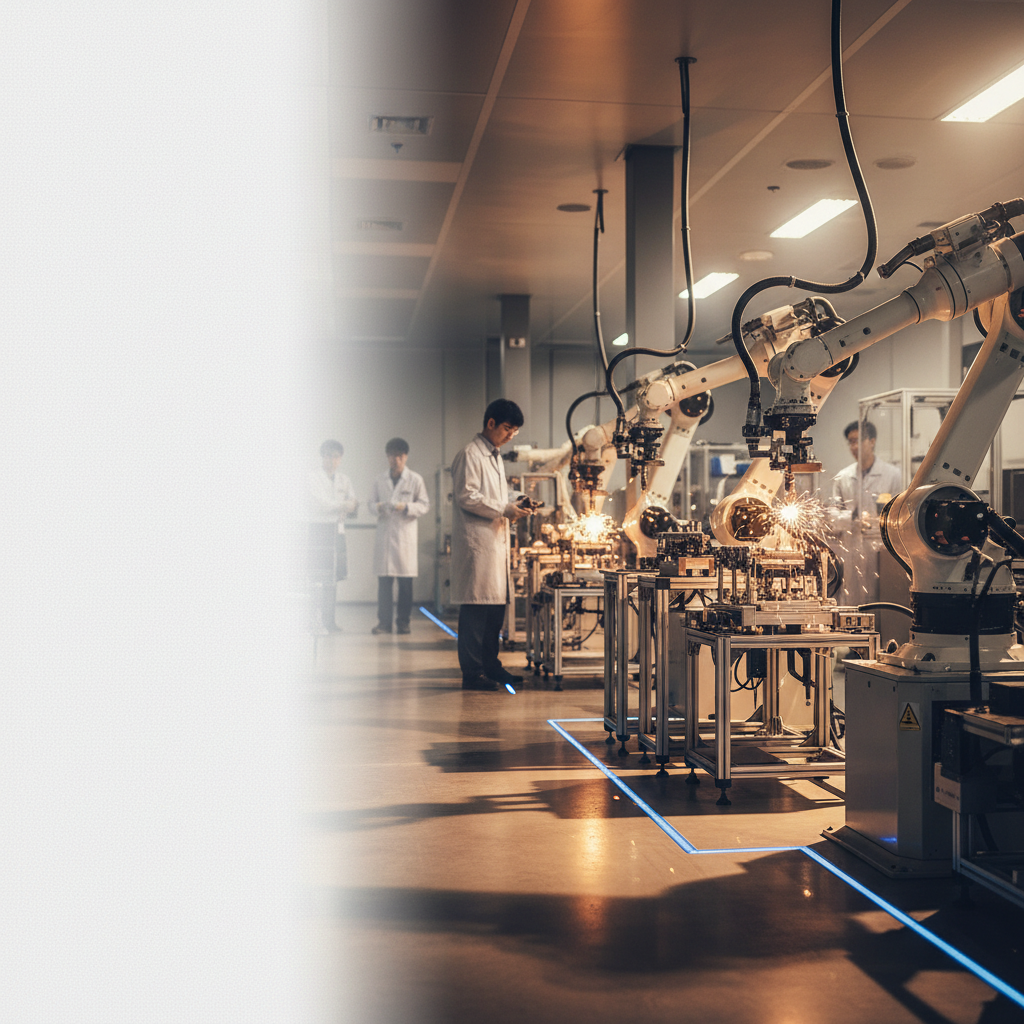
From Lab Bench to Factory Floor
South Korea is done waiting for AI research to trickle down into real products. On 18 March, 11 government ministries jointly unveiled "AX-Sprint," a 754 billion won ($560 million) programme designed to close the gap between AI prototypes and commercially viable products over the next two years.
The initiative was announced at a meeting of Emergency Economic Ministers, a signal of how seriously Seoul treats the commercialisation bottleneck. South Korea ranks among the world's top AI research producers, but adoption in industry remains stubbornly low. AX-Sprint is the government's most targeted attempt yet to fix that.
What AX-Sprint Actually Funds
Unlike typical government R&D programmes, AX-Sprint deliberately skips the research phase. The money targets the expensive, unglamorous final stretch before a product reaches market: securing GPUs, building prototypes, establishing mass production lines, and obtaining certifications and intellectual property protection.
Of the 754 billion won total, 614 billion won comes as grants and subsidies, with 140 billion won available as loans. The 2026 allocation alone, 613.5 billion won, represents the single largest project investment in South Korea's entire AX budget for the year.
"During CES 2026, I noticed that the AI sector is moving beyond the digital realm and rapidly spreading across industries such as robotics, manufacturing, and logistics. In order for South Korea to become one of the world's three AI powerhouses and among the top five technology leaders, we need to take more swift measures." - Bae Kyung-hoon, Science Minister, South Korea
By The Numbers
- 754 billion won ($560 million): Total AX-Sprint investment over 2026-2027, the largest single AI commercialisation programme in South Korean history
- 10.1 trillion won ($7 billion): South Korea's total 2026 national budget earmarked for AI initiatives across all programmes
- 2.4 trillion won ($1.67 billion): South Korea's 2026 AI budget across 33 government agencies, a fivefold increase from the previous year
- 39%: Share of early-stage startup deals in January 2026, up from 29% in 2025, with 12 of 16 large deals in AI and deep tech
- 150 trillion won ($102.9 billion): National Growth Fund for high-tech sectors including AI over five years
The Commercialisation Problem
South Korea's AI paradox is familiar across Asia. The country produces world-class research, trains excellent engineers, and hosts globally competitive tech conglomerates. But the path from a working AI model to a product that factories, hospitals, or logistics companies actually buy remains clogged with bottlenecks.
The government's own assessment is blunt: despite high interest in AI, actual adoption rates in Korean industry remain low. Small and medium enterprises, which make up the vast majority of the Korean economy, lack the capital and expertise to bridge the gap between a promising AI prototype and a certified, scalable product.
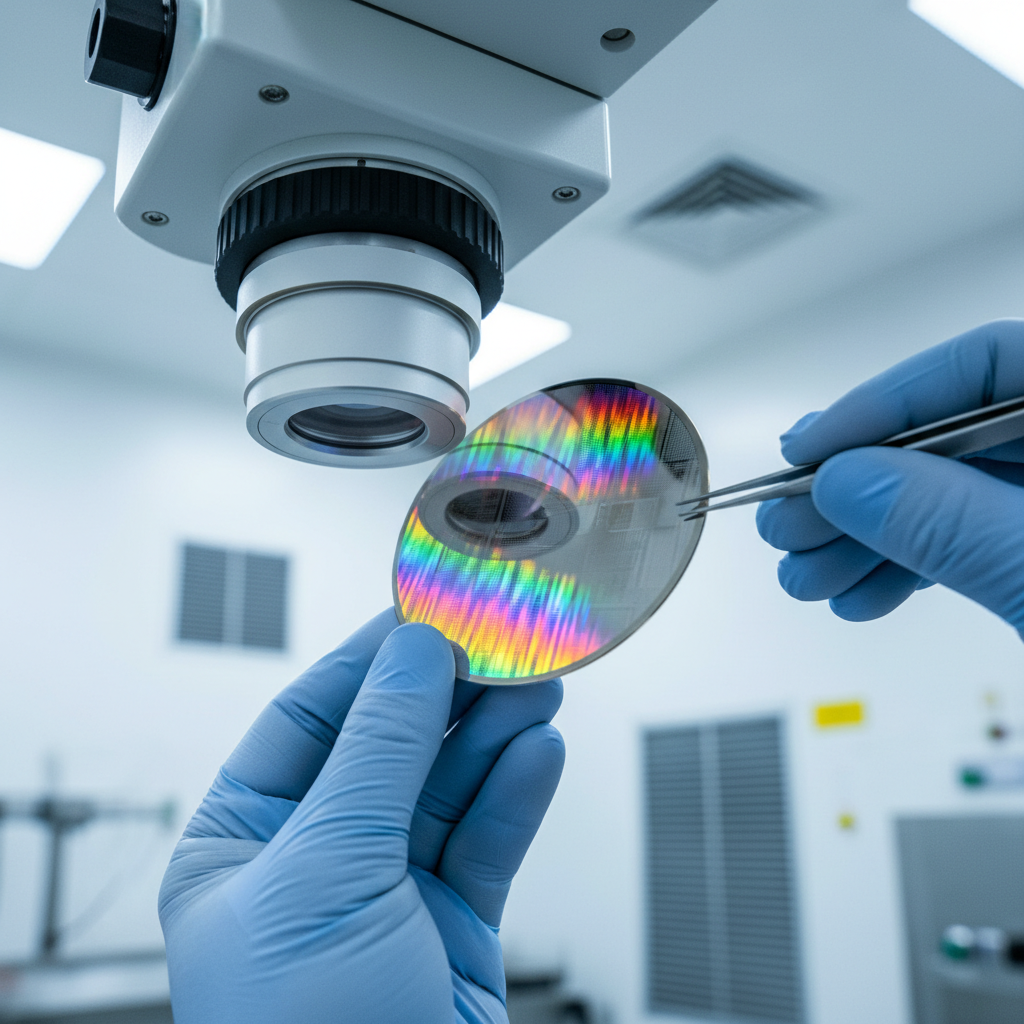
AX-Sprint addresses this by meeting companies where they are stuck. Rather than funding another research paper, the programme pays for the GPU compute needed to scale a model, the prototype hardware to test it in real environments, and the certification process to get it approved for commercial use.
"Korea has a solid manufacturing base and ample data, which gives us a strong edge in physical AI." - Kang Ki-ryong, Deputy Vice Finance Minister, South Korea
How It Compares Across Asia
South Korea is not the only government trying to solve the lab-to-market problem, but the scale and focus of AX-Sprint stands out.
| Country | Programme | Focus | 2026 AI Budget |
|---|---|---|---|
| South Korea | AX-Sprint | Commercialisation of AI products | $7 billion (total) |
| Singapore | National AI Strategy 2.0 | Enterprise AI adoption, data centres | $740 million |
| Japan | AI Strategy 2025 | Generative AI, semiconductor investment | $3.6 billion |
| India | IndiaAI Mission | Compute infrastructure, skills | $1.2 billion |
What Companies Get
The programme offers more than just cash. Products that emerge from AX-Sprint can be designated as "innovative products" by the Public Procurement Service, which unlocks negotiated government contracts and pilot purchases. For a startup trying to land its first major client, government procurement can be the difference between survival and shutdown.
Small and medium enterprises get additional support: exclusive loans of up to 10 billion won per company and preferential interest rates. The government is also fast-tracking intellectual property processes for AX-Sprint participants, recognising that patent delays can kill a product's market window.
The Bigger Bet on Physical AI
AX-Sprint sits within a broader shift in Korean AI policy toward what officials call "physical AI," the application of artificial intelligence to tangible industries like robotics, automotive manufacturing, and shipbuilding. This is where South Korea believes it has a genuine competitive advantage over rivals.
The logic is straightforward. South Korea already dominates global shipbuilding, manufactures some of the world's most advanced semiconductors, and runs one of the most automated manufacturing sectors on earth. Layering AI onto these existing strengths, rather than trying to compete with Silicon Valley on foundation models, is a pragmatic bet.
- Robotics: AI-powered factory automation for Hyundai and Samsung manufacturing lines, with pilot deployments targeted for late 2026
- Automotive: Autonomous driving and predictive maintenance systems for Korean carmakers, supported by AX-Sprint prototype funding
- Shipbuilding: AI-assisted design and quality control for HD Hyundai and other yards, reducing defect rates and construction timelines
- Healthcare: AI diagnostic tools for Korea's universal healthcare system, with fast-track medical device certification
Why does South Korea need a special programme for AI commercialisation?
Korean companies, especially SMEs, often develop strong AI prototypes but lack the capital for GPU compute, mass production tooling, and regulatory certification. AX-Sprint funds these specific bottlenecks rather than basic research.
How does AX-Sprint compare to China's AI subsidies?
China's approach has focused heavily on consumer AI subsidies and model training. South Korea's programme targets industrial application, reflecting its manufacturing-heavy economy. The two strategies serve fundamentally different economic structures.
Can small companies actually access AX-Sprint funding?
The programme includes dedicated SME provisions: loans up to 10 billion won, preferential interest rates, and fast-track certification. However, navigating Korean government procurement processes remains complex, and execution will determine whether smaller firms truly benefit.
South Korea is spending $560 million to turn AI prototypes into real products. Is government-funded commercialisation the right approach, or should the market decide which AI products survive? Drop your take in the comments below.