
The Chips Powering Every AI Model You Use
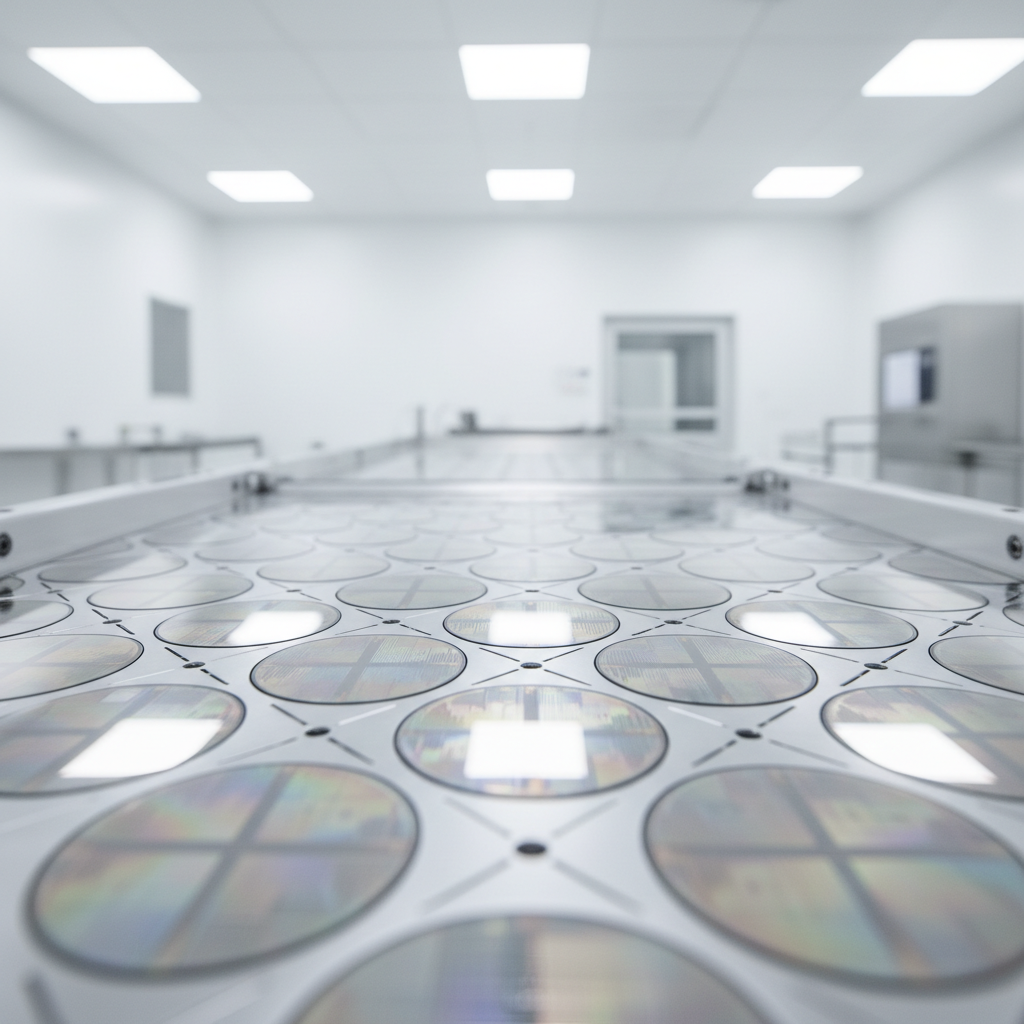
The global market for high-bandwidth memory, the specialised chips that make AI training and inference possible, is projected to hit $54.6 billion in 2026. That is a 58% increase from the previous year, according to Bank of America estimates. Nearly all of it is manufactured in Asia, and the three companies fighting for dominance are all based in the region.
SK Hynix, Samsung Electronics, and Micron Technology are locked in a battle over HBM4, the next generation of memory chips designed for NVIDIA's upcoming Rubin platform. The stakes are enormous: whoever wins the largest share of HBM4 supply contracts will control the bottleneck of the entire AI industry.
SK Hynix Pulls Ahead
SK Hynix currently dominates the HBM market with a 62% share, according to Chosun Biz data from Q2. Micron has overtaken Samsung for second place with 21%, leaving Samsung at 17%, a humbling position for the world's largest memory chipmaker. UBS predicts SK Hynix will capture approximately 70% of the HBM4 market for NVIDIA's Rubin platform.
"2026 is the year when HBM3E leads the market as the golden standard. SK hynix will be positioned at the centre of the AI memory supercycle." - SK Hynix, 2026 Market Outlook
The numbers back up the confidence. SK Hynix posted Q4 2025 revenue of 30.7 trillion Korean won with an operating profit of 17.1 trillion won, representing a 56% profit margin driven almost entirely by HBM demand. Samsung's memory division, by contrast, posted 17 trillion won in operating profit for the full year, a 250% year-on-year surge but still trailing its smaller rival on margins.
By The Numbers
- $54.6 billion: Bank of America's estimate for the 2026 HBM market, up 58% year-on-year
- 62%: SK Hynix's HBM market share in Q2, versus 21% for Micron and 17% for Samsung
- 70%: SK Hynix's projected HBM4 market share for NVIDIA's Rubin platform, per UBS
- 30%: Expected DRAM price increase in Q1 2026 due to tight supply at two to three weeks of inventory
- 20%: Price hike Samsung and SK Hynix applied to HBM3E chips heading into 2026
Samsung's Costly Catch-Up
Samsung's fall to third place in HBM is one of the most significant shifts in the semiconductor industry in years. The company is responding with massive investment: production capacity expansion of roughly 50% planned for 2026, with a new P5 facility in Pyeongtaek expected to come online by 2028. But capacity alone will not solve the problem. Samsung's HBM3E yields have lagged behind SK Hynix's, and regaining NVIDIA's confidence as a primary supplier will take time.
Micron, meanwhile, has made a strategic pivot. The US-based company announced it would exit the consumer memory and storage market entirely to focus on AI data centre customers. That decision reflects how thoroughly AI demand has reshaped the memory industry's economics.
"This is a supercycle similar to the boom of the 1990s. DRAM revenue is up 51% and the structural demand from AI training and inference is not slowing." - Bank of America semiconductor analysts
Why This Matters Beyond Chips
The HBM shortage is already creating downstream effects. Global DRAM prices are expected to rise 30% in Q1 2026 due to supply sitting at just two to three weeks of inventory. That means higher costs for smartphones, laptops, and consumer electronics, even as AI companies absorb an ever-larger share of memory production.
For Asia, the concentration is both an advantage and a vulnerability. South Korea produces the vast majority of the world's HBM chips. Any disruption, whether from geopolitical tension, natural disaster, or supply chain failure, would ripple through every AI company on the planet.
| Metric | SK Hynix | Samsung | Micron |
|---|---|---|---|
| HBM Market Share (Q2) | 62% | 17% | 21% |
| Q4 2025 Revenue | 30.7T KRW | Not disclosed separately | $8.7B (company-wide) |
| HBM4 Projected Share | ~70% (UBS est.) | Growing | Competing |
| 2026 Capacity Plans | M15X facility by mid-2027 | 50% expansion, P5 by 2028 | Exiting consumer market |
The Consumer Cost
Rest of World reported in February that AI's appetite for memory chips is already making phones more expensive. As Samsung and SK Hynix prioritise HBM production for data centres, fewer chips are available for consumer devices. The result is a quiet subsidy flowing from ordinary consumers to AI companies through higher device prices.
- HBM is sold out through 2026, with a projected $100 billion total addressable market by 2028
- Samsung and SK Hynix raised HBM3E supply prices by nearly 20% heading into 2026
- Asia-Pacific is the fastest-growing HBM region, with fabrication facilities producing millions of units quarterly
- Micron's exit from consumer memory signals a permanent structural shift in the industry
Frequently Asked Questions
What is HBM and why does AI need it?
High-bandwidth memory is a type of chip that stacks multiple layers of DRAM vertically, delivering much faster data transfer speeds than conventional memory. AI models require enormous amounts of data to move quickly between processors and memory during training and inference, making HBM essential.
Why is SK Hynix winning the HBM race?
SK Hynix invested early in HBM technology and built strong supply relationships with NVIDIA. Its manufacturing yields for HBM3E and HBM4 have consistently outperformed competitors, giving it a reliability advantage that chip buyers prioritise.
Will HBM shortages affect my phone or laptop price?
Yes. As memory manufacturers redirect production capacity toward HBM for AI data centres, fewer standard DRAM chips are available for consumer electronics. DRAM prices are expected to rise 30% in Q1 2026, which will flow through to device pricing.
How long will the AI memory supercycle last?
Bank of America analysts compare it to the semiconductor boom of the 1990s. With HBM sold out through 2026 and demand projections reaching $100 billion by 2028, the cycle appears to have several years of growth ahead, barring a significant slowdown in AI investment.
Should South Korea use its memory chip dominance as diplomatic leverage the way OPEC once used oil, or would that backfire? Drop your take in the comments below.
YOUR TAKE
We cover the story. You tell us what it means on the ground.
What did you think?
Share your thoughts
Be the first to share your perspective on this story
This is a developing story
We're tracking this across Asia-Pacific and may update with new developments, follow-ups and regional context.