
The Training Mirage: Why Asian Workers Aren't Getting the AI Skills They Need
A troubling gap has emerged between corporate boardrooms and office floors across Asia. While Upwork's recent survey found 73% of C-suite executives believe their companies offer comprehensive generative AI training, only 37% of employees report receiving such preparation. This disconnect isn't just a communication problem, it's a strategic blind spot that could derail Asia's AI ambitions.
The numbers paint an even starker picture when you examine actual competencies. Recent assessments in Singapore and Malaysia reveal that 56% of workers rate themselves at only a basic level in decision-making skills, despite rapid AI adoption sweeping through their organisations. Meanwhile, Asia-Pacific leads global AI adoption with 78% of workers using AI tools weekly, yet many lack the foundational skills to maximise these technologies.
Beyond the Checkbox Mentality
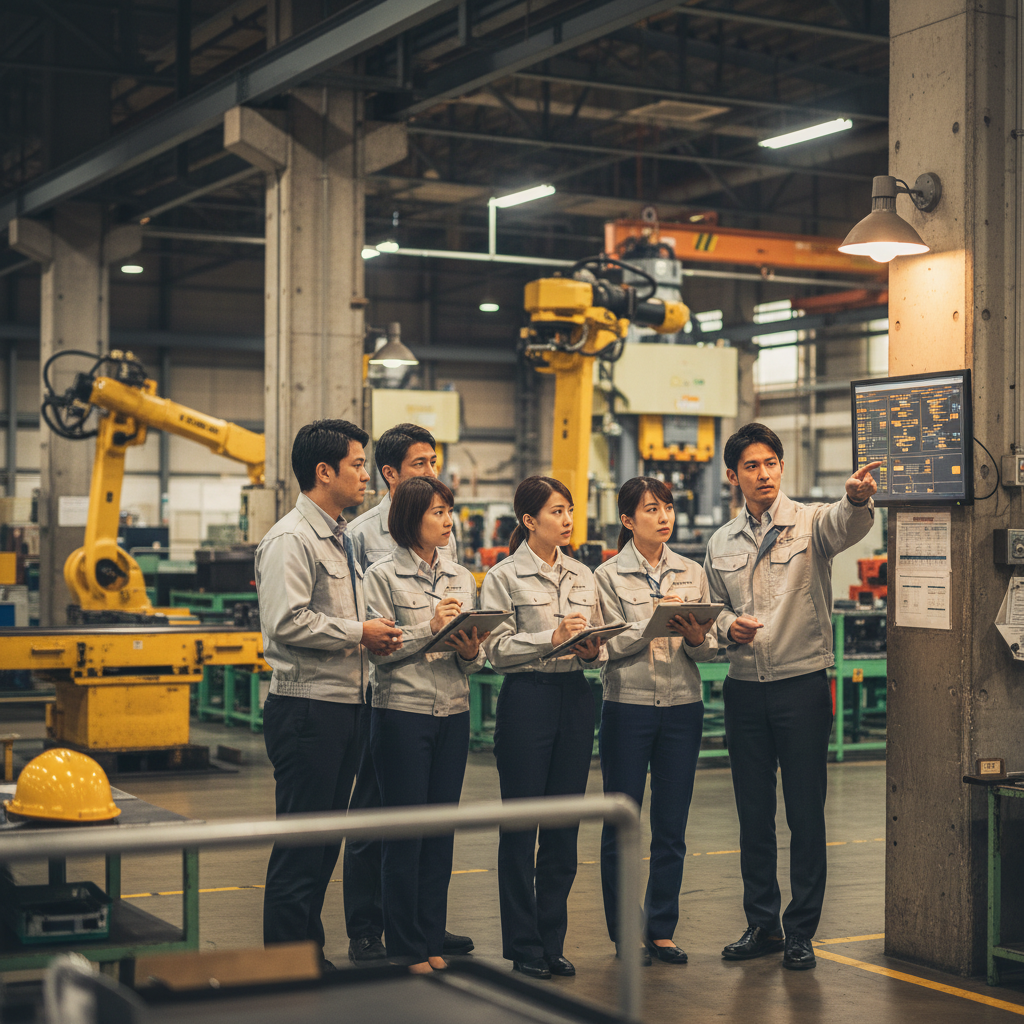
Generic AI training programmes are failing Asian workforces because they treat skill development like a compliance exercise. Leaders often assume a one-size-fits-all approach satisfies their training obligations, but effective AI education requires personalised strategies that acknowledge different roles, industries, and technical backgrounds.
"Workforce readiness is now a critical constraint. While more than 70% of workers report advanced digital literacy, fewer feel confident in higher-order reasoning, decision-making, or computational thinking." - Epitome Global, from skills assessments in Singapore and Malaysia
This disparity becomes more pronounced when considering specialised applications. Some companies are exploring advanced implementations like generative AI for risk and compliance management in banking, which demands far more sophisticated understanding than basic prompt writing.
The Individual Learning Imperative
While organisations bear primary responsibility for training gaps, employees cannot remain passive recipients. The current landscape empowers individuals to drive their own upskilling journeys, particularly as businesses struggle to adopt generative AI effectively across the region.
Workers must embrace continuous learning even amid change fatigue. This proactive approach becomes essential as job markets increasingly reward AI proficiency with significant salary premiums, including 10% compensation increases for revenue roles in Singapore's banking and insurance sectors.
By The Numbers
- Only 30% of Asian workers demonstrate advanced computational thinking skills despite 70%+ digital literacy rates
- 78% of APAC workers use AI weekly compared to 72% globally, but just 57% of companies redesign workflows effectively
- 43% of Singapore organisations cite skills shortages as their primary barrier to scaling AI initiatives
- Asia-Pacific's generative AI market projects 37.5% CAGR growth from 2024-2030, reaching $76 billion annually
- 92% adoption rate in India leads regional enthusiasm, while China shows 70% optimism towards AI integration
Strategic Solutions for Bridging Training Gaps
Successful organisations are moving beyond superficial training with comprehensive approaches:
- Formal Skills Programmes: Structured curricula that build from foundational concepts to advanced applications, tailored to specific job functions and industry requirements.
- Strategic Alignment: Clear organisational AI strategies that connect training goals with business objectives, ensuring leadership and workforce understand implementation priorities.
- Experimentation Culture: Balanced focus on both efficiency and learning, encouraging controlled experimentation with AI tools in real work contexts.
- Community Building: Internal forums and collaborative spaces where employees share best practices and troubleshoot challenges together.
- Recognition Systems: Leaderboards and incentives that reward AI proficiency while fostering healthy competition across teams.
Companies implementing these strategies report better outcomes when integrating proven generative AI use cases into their operations.
Building Internal AI Communities
Beyond formal training, organisations must cultivate vibrant internal communities around AI adoption. This includes hosting "prompt-athons" similar to hackathons, where teams experiment with generative AI applications in competitive, collaborative settings.
"Employees in Asia Pacific are adopting generative AI tools faster and more enthusiastically than their global peers, but they are also more likely to fear that these technologies could put their jobs at risk." - Boston Consulting Group, AI at Work survey of 4,500+ APAC employees
These community initiatives help address the anxiety underlying rapid AI adoption. When workers understand how AI augments rather than replaces their capabilities, they become more effective adopters and advocates within their organisations.
| Training Approach | Traditional Method | Effective AI Training |
|---|---|---|
| Content Delivery | One-time workshops | Continuous learning paths |
| Skill Assessment | Generic competency tests | Role-specific AI applications |
| Practice Environment | Theoretical scenarios | Real workflow integration |
| Success Metrics | Completion rates | Performance improvements |
| Support Structure | Help desk tickets | Peer learning communities |
The stakes are particularly high given Asia's leadership position in AI adoption. While the region shows remarkable enthusiasm, the training infrastructure must match this momentum to maintain competitive advantages.
What's causing the disconnect between executive perception and employee reality in AI training?
Executives often measure training by programme availability rather than actual skill acquisition. Many confuse providing access to resources with delivering effective, comprehensive education that builds genuine AI competency.
How can employees take ownership of their AI skill development?
Workers should actively seek internal communities, experiment with AI tools in safe environments, and pursue external resources like practical AI applications for professionals to supplement formal training programmes.
Why do Asian workers show higher AI adoption rates than other regions?
Cultural factors including rapid technology acceptance, competitive job markets, and government support for digital transformation create environments where workers embrace AI tools more readily than global counterparts.
What role should managers play in bridging AI training gaps?
Middle managers must translate executive AI strategies into practical team applications while identifying specific skill gaps and advocating for targeted training resources that address real workflow challenges.
How can organisations measure the effectiveness of their AI training programmes?
Success metrics should focus on performance improvements, workflow efficiency gains, and employee confidence levels rather than simple completion rates or attendance figures for training sessions.
The generative AI revolution won't wait for organisations to catch up on training. As strategic AI implementation becomes table stakes across Asian markets, the companies with genuinely AI-literate workforces will separate themselves from those still struggling with basic adoption.
Success requires moving beyond the current training theatre to build genuine AI competency from the ground up. Is your organisation preparing workers for an AI-powered future, or simply going through the motions while competitors pull ahead? Drop your take in the comments below.









Latest Comments (3)
This 73% vs 37% stat from the Upwork survey really jumps out. Like, C-suites genuinely think they're doing enough, but employees on the ground are saying "nope, not really." 😅 It makes me wonder if the execs are just counting any kind of "intro to AI" webinar as "comprehensive training." In SEA, where we're already dealing with a trust deficit for AI, this kind of perception gap could really slow things down. We need more than just checkboxes, for sure. It's about practical, relevant skills that actually help people, not just broad strokes.
This point about the disconnect between leadership perception and employee reality on gen AI training is spot on. We've seen similar internal reporting in Malaysia, though perhaps not as stark as the Upwork survey's 73% vs. 37% figures. It underscores the need for better feedback loops within organisations, a key component of our national AI strategy.
i think the point about the "trust deficit" in southeast asia is really crucial. in korea, we're seeing much more proactive policy development around AI ethics and public trust, especially considering how quickly generative AI is being integrated into public services. it makes me wonder if perhaps some of the training disconnect the article talks about isn't just about availability, but also about the perceived value and safety of these tools from an employee perspective, particularly when compared to what's happening with AI governance frameworks in other APAC nations. are employees in these regions less inclined to engage with training if there are lingering concerns about data privacy or job displacement that aren't being addressed at a policy level?
Leave a Comment