How a three year old AI startup dared to stake a claim on the world’s most powerful browser.
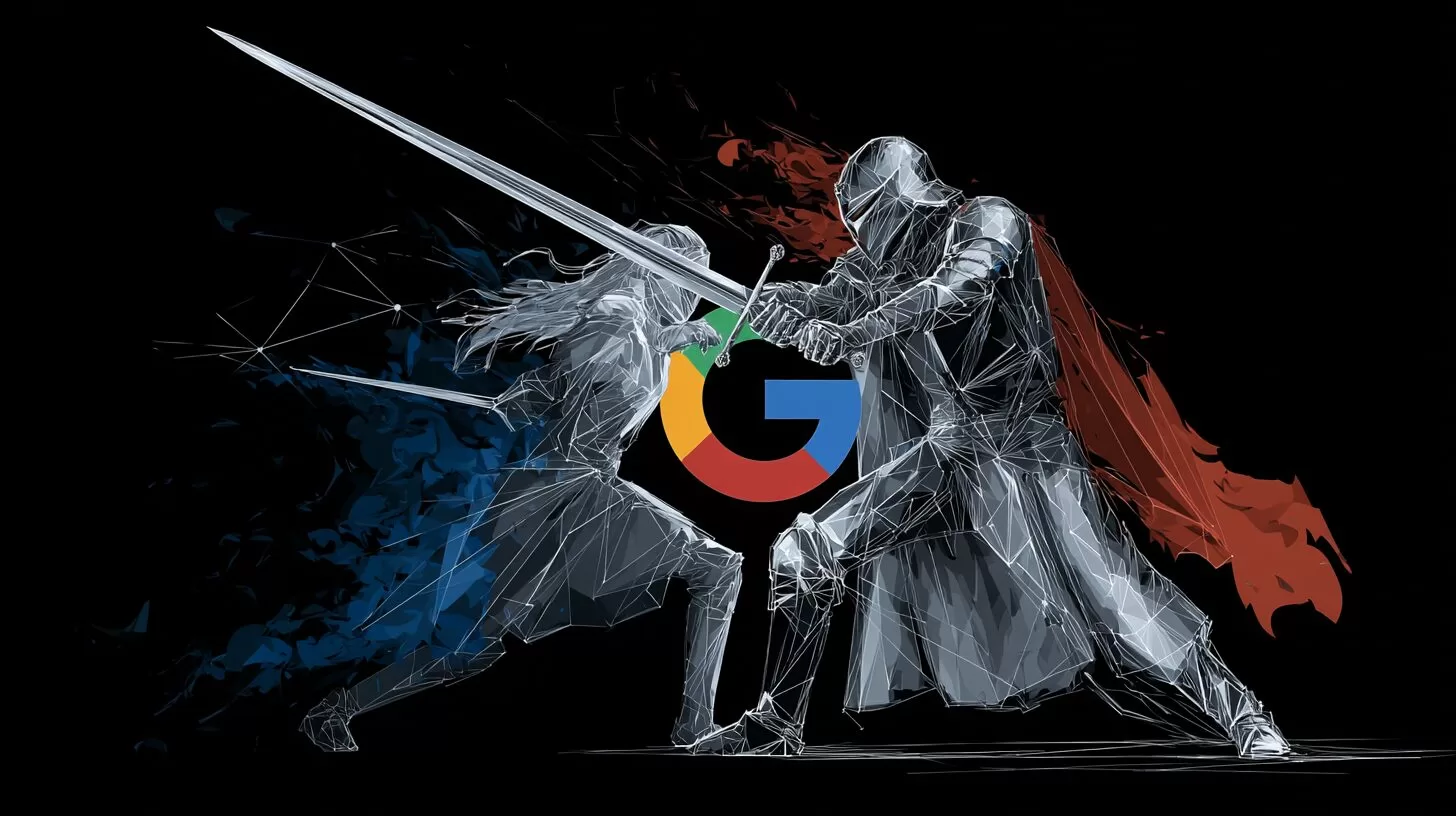
Perplexity AI offered $34.5 billion in cash to acquire Google Chrome, despite its own valuation of around $18 billion. The bid aligns neatly with an unfolding U.S. antitrust case, where a judge may force Google to divest Chrome. The move symbolises the struggle to control the single interface experience, the next frontier in AI-powered browsing and e‑commerce.
Emerging into the AI‑driven browsing era
In Asia and beyond, users are migrating from click‑centric searches towards seamless, intuitive AI agents. As Piers Fawkes notes, the so‑called “single interface experience” promises that an AI handles research, bookings, even purchases for us all from within the browser. We've previously explored how Perplexity: Amazon's "Bullying Tactics" Won't Stop Comet is making waves.
With Chrome commanding roughly 68 per cent of the global browser market, its control isn’t just distribution—it is the strategic high ground for the new AI era.
The audacity of a moonshot bid
Perplexity’s proposal—to pay nearly twice its own valuation to own Chrome is as daring as it is symbolic. Its terms are modestly reassuring: maintain Chromium as open source, invest $3 billion over two years, preserve Chrome's default settings, retain key talent, and ensure long‑term support.
The timing coincides with U.S. District Judge Amit Mehta’s ruling that Google unlawfully monopolises search, with divestiture of Chrome among the remedies under consideration. A deeper dive into the implications of such rulings can be found in discussions around AI Browsers Under Threat as Researchers Expose Deep Flaws.
Yet, sceptics caution that the bid may be more PR stunt than serious takeover attempt. Perplexity lacks the capital and Chrome is vital to Google’s business model.
Chrome: more than just a browser
Chrome is the connective tissue of Google's empire. It funnels search traffic, enhances ad targeting, and reinforces the feedback loops that underpin Google's AI advantage.
Rich Pleeth, former Chrome marketing leader, suggests that even the search revenue alone could value Chrome at $100 billion. Divesting it would fundamentally destabilise Google's business engine. This is particularly relevant as Google AI Overviews (with ads!) coming to APAC highlights the company's continued integration of AI into its core offerings.
The emerging power of AI front‑ends
The real battle, as experts observe, is over discovery who chooses which AI surfaces which brands, products or services? The browser becomes the gatekeeper in the AI age.
Perplexity fears being eclipsed like a modern Ask Jeeves. By acquiring Chrome, it would claim default access to the internet—not just a search engine but the AI frontier. For more on how these battles shape digital interaction, consider how Perplexity vs ChatGPT vs Gemini - five challenges, three contenders compares different AI front-ends.
What does this mean for Asia?
AI startups across Asia are rapidly embracing conversational search, online discovery and in‑browser agent models. Whether based in Singapore, Bangalore or Seoul, controlling the interface means controlling the transaction and the data. The impact of such shifts on regional economies is significant, as explored in "The AI-driven economy in Southeast Asia" by the Asian Development Bank.
If Chrome is ever forced open or transferred, opportunities will arise for local and regional players to redefine discovery. But privacy and data governance will remain vital. Perplexity’s own data‑usage intentions could become flashpoints in heavily regulated markets in Asia.
Is Chrome the next AI battleground? Absolutely. Perplexity’s bold bid catalyses the conversation. It exposes that AI firms believe owning the browsing interface is no longer optional; it’s essential. Whether the bid succeeds isn’t the story it’s what it signals to Asia’s AI builders.
Where will your company stake its claim in this new frontier?
YOUR TAKE
We cover the story. You tell us what it means on the ground.
What did you think?
Share your thoughts
Be the first to share your perspective on this story
This is a developing story
We're tracking this across Asia-Pacific and may update with new developments, follow-ups and regional context.