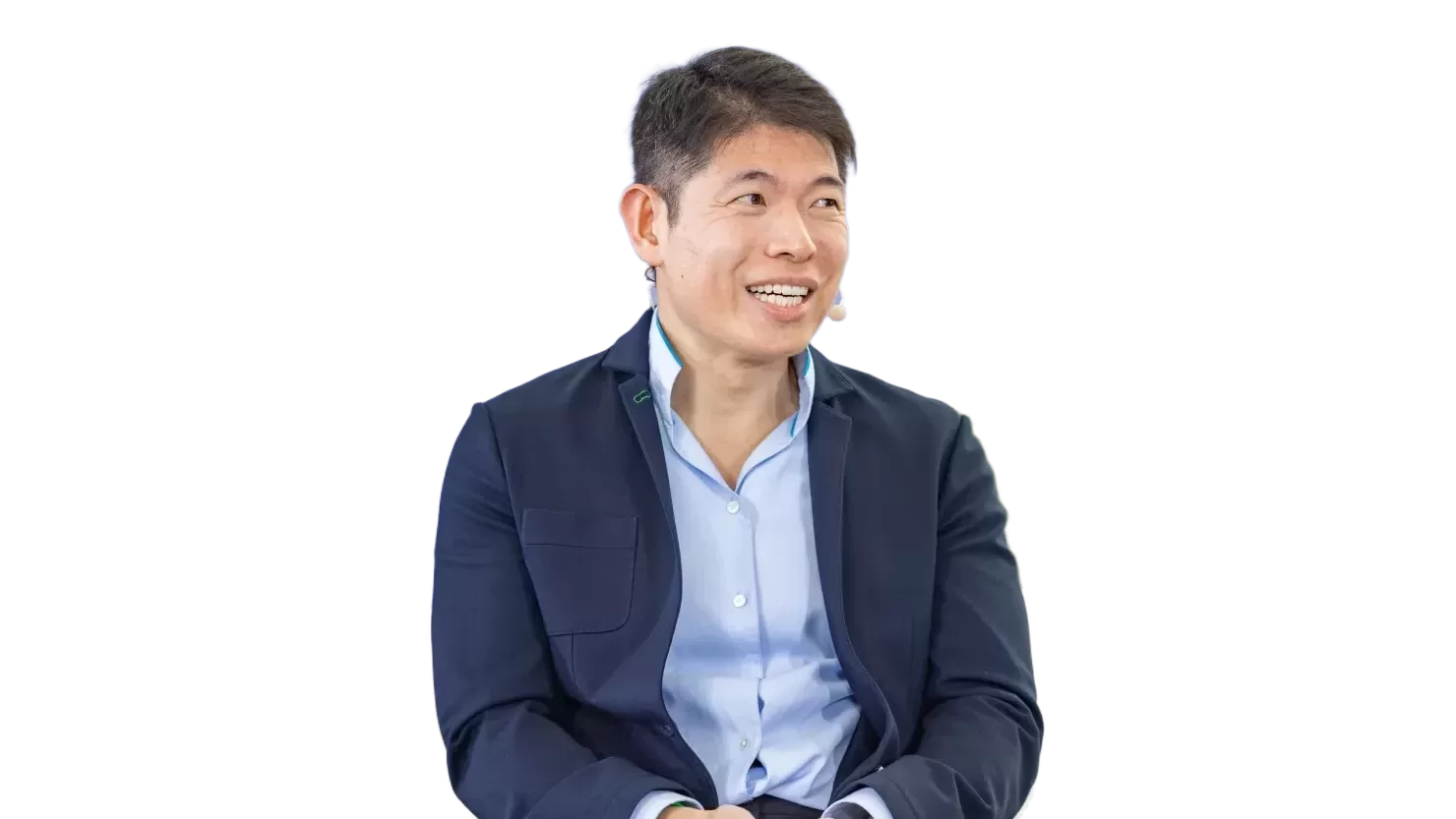
Grab CEO Anthony Tan believes workers and companies that don't embrace AI risk being replaced by those who do. Grab paused normal operations for a nine-week generative AI sprint, significantly boosting innovation. AI tools developed by Grab, such as driver and merchant assistants, are empowering everyday entrepreneurs. Globally, many companies are downsizing due to AI, but Tan insists AI enhances human capabilities rather than replacing them.
Is Your Refusal to Embrace AI Secretly Sealing Your Fate?
Making Humans 'Superhuman'
I can’t code myself, but I use AI to build my own projects, for research, for Grab,” Tan explained. "It totally changes how you spend your time.
Grab’s Radical AI Experiment
People thought I was crazy—maybe I am—but it really moved the needle.
Driver Co-pilot: An AI assistant reducing wait times and boosting job opportunities for drivers. Merchant AI Assistant: Imagine a single mother in Jakarta now equipped with an AI-driven sous chef, packaging expert, and even a chief revenue officer—all in one assistant. This innovation isn't just about efficiency; it's empowerment, reshaping the livelihoods of Grab's vast network of entrepreneurs.
The Wider Implications for Asia
Tan's perspective aligns with a growing sentiment in the region about the transformative power of AI. Many businesses in the APAC region are embracing AI, though some still face tech hurdles. The AI wave is shifting to the Global South, bringing with it new opportunities and challenges. While some express concerns about AI cognitive colonialism, the push for AI adoption continues, with countries like Singapore even aiming for their workforce to be AI bilinguals. Research from organisations like McKinsey highlights the significant economic impact AI is projected to have on the region, with projections suggesting AI set to add nearly US$1 trillion to Southeast Asia's economy by 2030.
Human vs AI: Not a Zero-Sum Game
Tan's vision contrasts with the fear that AI agents will steal jobs. Instead, he champions the idea of AI enhancing human capabilities, making us "superhuman." This aligns with the concept of a "non-machine premium," where human skills are augmented by AI, rather than replaced. This perspective is crucial as the AI arms race traps us all on an upgrade treadmill, pushing for continuous adaptation.
Hot Take
What do you think?