Asian SMBs Master AI Art Generation with Strategic Prompting
Small and medium-sized businesses across Asia are discovering that the difference between amateur and professional AI-generated visuals lies not in expensive software, but in mastering the art of prompt crafting. As Midjourney and similar platforms democratise creative tools, the real competitive advantage emerges from understanding how to communicate effectively with artificial intelligence.
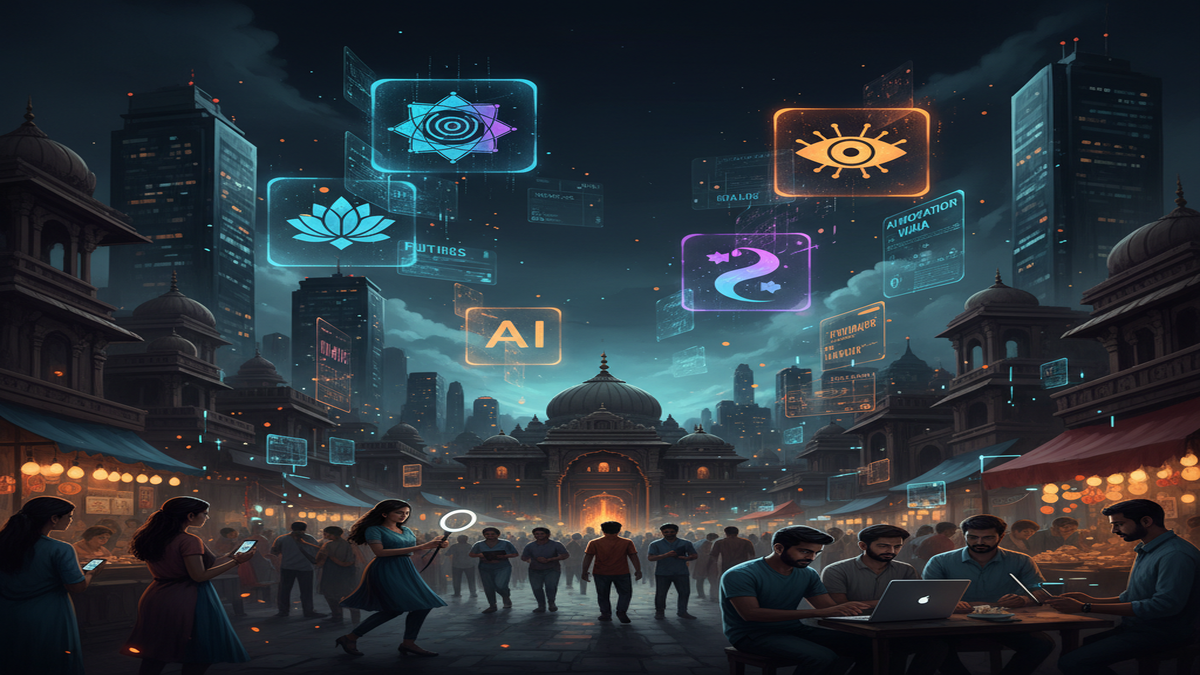
The surge in AI art adoption among Asian SMBs reflects a broader shift towards accessible creative solutions. Malaysian marketing agency Miss Solutions has transformed its content strategy through AI-generated visuals, while Singaporean gaming resource Deathsave has seen dramatic increases in web traffic by incorporating unique AI artwork into their platform.
The Foundation of Effective AI Art Prompts
AI art prompts function as detailed instructions that guide artificial intelligence in creating visual content. These text inputs range from simple phrases to comprehensive descriptions that specify colours, composition, style, and context. The quality of your output directly correlates with the precision and creativity of your input.
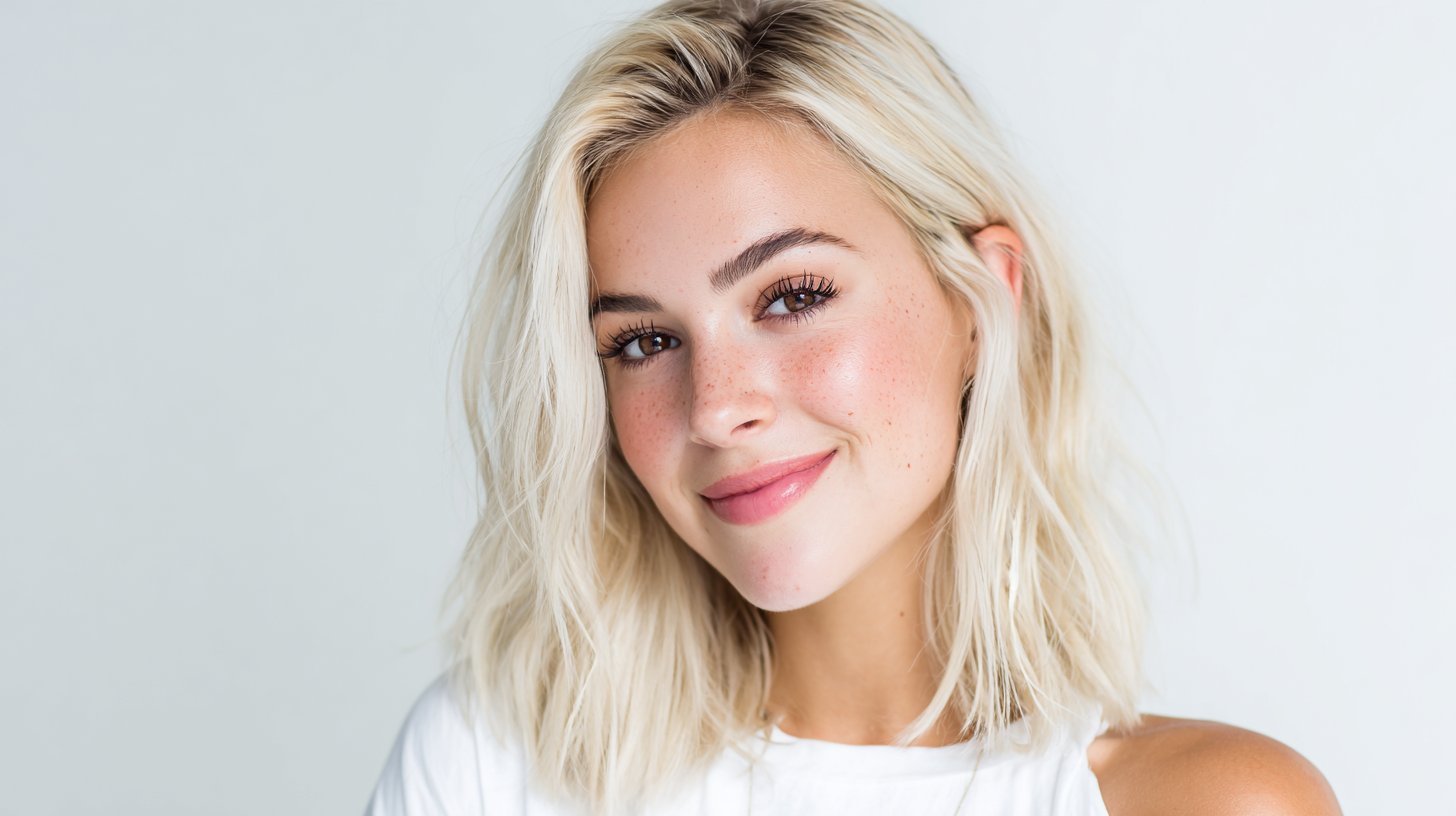
Understanding prompt structure begins with recognising that AI models interpret language differently than humans. While we might understand implicit context, AI requires explicit direction. A prompt requesting "a professional headshot" yields generic results, whereas "a confident businesswoman in her forties, wearing a navy blazer, soft studio lighting, shot with a Canon 85mm lens" produces targeted, usable imagery.
The most successful prompts balance specificity with creative freedom. Over-constraining the AI can result in awkward compositions, while under-specifying leads to irrelevant outputs. This balance becomes particularly crucial when creating content for diverse Asian markets, where cultural context and visual preferences vary significantly.
By The Numbers
- 73% of Asian SMBs report improved engagement rates when using AI-generated visuals compared to stock photography
- Businesses implementing strategic AI art prompting see an average 40% reduction in creative production costs
- Midjourney processes over 2 million image requests daily, with Asian markets representing 35% of total usage
- Companies using specific style references in prompts achieve 60% higher satisfaction rates with generated imagery
- SMBs incorporating AI visuals in social media campaigns experience 2.3x higher click-through rates than those using traditional imagery
Ten Essential Steps for Prompt Mastery
Crafting perfect Midjourney prompts requires systematic approach and understanding of how AI interprets instructions. These ten steps provide a framework for creating compelling visual content that serves business objectives while maintaining creative quality.
- Embrace Specificity: Replace vague terms with precise descriptions. Instead of "man working," specify "middle-aged Asian businessman typing on a MacBook Pro in a modern Singapore office, natural lighting streaming through floor-to-ceiling windows."
- Maintain Conciseness: Balance detail with brevity. Effective prompts typically range from 15-50 words, using active voice and clear punctuation to maintain clarity without overwhelming the AI processor.
- Deploy Descriptive Language: Utilise sensory words and emotional descriptors that AI models recognise. Terms like "warm," "dramatic," "ethereal," or "minimalist" guide aesthetic direction more effectively than generic adjectives.
- Leverage Visual References: Upload reference images or provide URLs to establish composition, lighting, and style parameters. This technique proves particularly valuable when creating culturally specific content for Asian markets.
- Reference Artistic Styles: Incorporate established artistic movements or famous creators to achieve specific aesthetics. "In the style of Hokusai" or "Studio Ghibli aesthetic" provides immediate visual direction.
- Cite Specific Works: Reference particular artworks or films for precise stylistic mimicry. "Cinematography inspired by Wong Kar-wai's In the Mood for Love" creates distinctive visual atmosphere.
- Define Creative Direction: Explicitly state whether you want realistic photography or stylised interpretation. Use modifiers like "photorealistic," "illustration style," or "digital art" to clarify expectations.
- Focus on Content, Not Technical Specs: Avoid mentioning resolution terms like "4K" or "8K" in prompts. Instead, concentrate on visual elements and use Midjourney's upscaling features for technical improvements.
- Embrace Positive Framing: Describe what you want rather than what you don't want. Use Midjourney's negative parameters (--no) sparingly and focus prompts on desired elements.
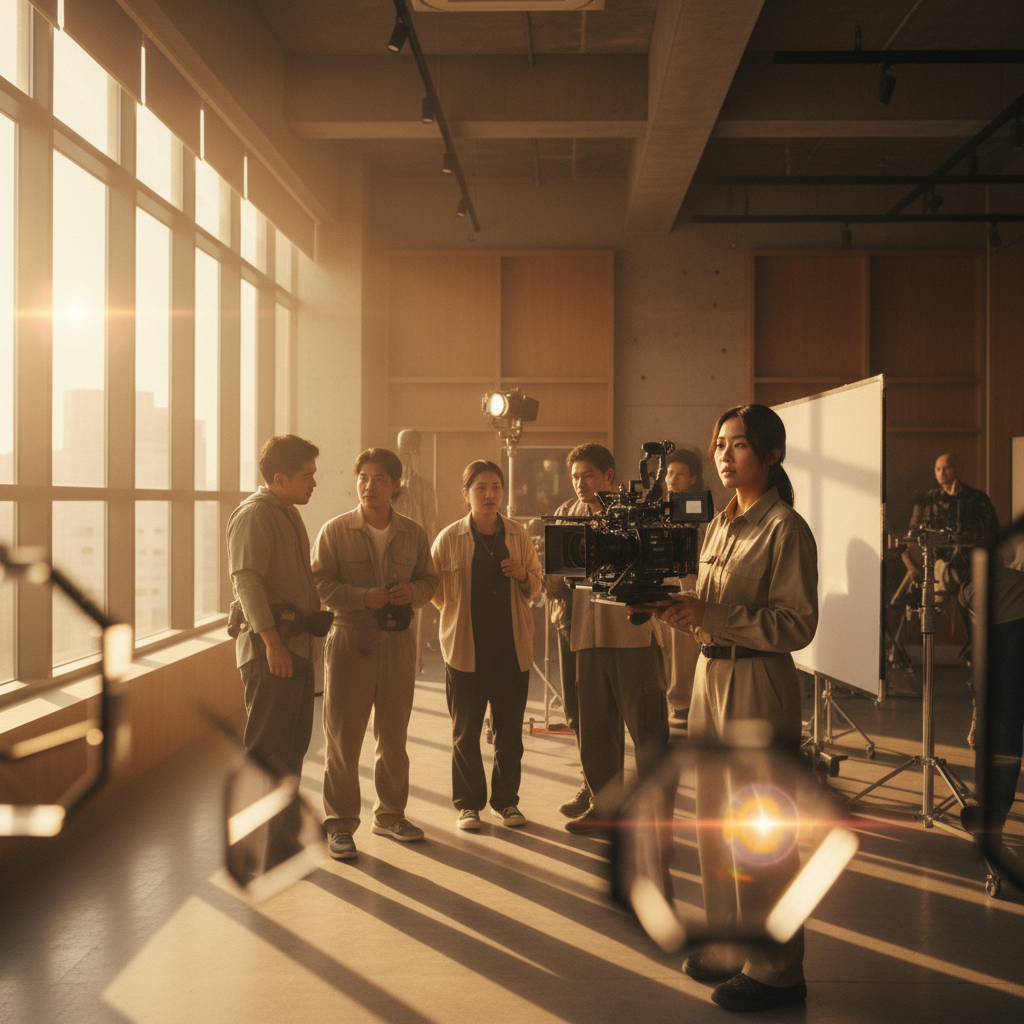
- Incorporate Technical Photography Terms: When creating realistic imagery, include camera specifications like "shot with Canon EOS R5, 85mm lens, f/2.8, golden hour lighting" for professional results.
Our comprehensive guide to mastering AI images for business applications explores these techniques in greater detail, while our step-by-step Midjourney earning guide demonstrates how creative professionals monetise these skills.
"The transformation in our content creation workflow has been remarkable. By implementing strategic AI prompting, we've reduced our visual content production time by 70% while maintaining professional quality that resonates with our Southeast Asian audience." Sarah Lim, Creative Director, Miss Solutions
Advanced Midjourney Features for Professional Results
Midjourney's sophisticated feature set extends far beyond basic text-to-image generation. Understanding these advanced capabilities enables businesses to create highly targeted visuals that align with specific brand requirements and cultural contexts.
The platform's remix mode allows iterative refinement through three distinct stages: initial concept generation, parameter adjustment, and final stylistic polishing. This approach proves particularly valuable when creating marketing materials that must balance creative appeal with brand compliance.
Aspect ratio controls accommodate various social media formats and marketing applications. Square images (1:1) work perfectly for Instagram posts, while vertical formats (9:16) optimise for Stories and TikTok content. Horizontal ratios (16:9) serve presentation and blog header requirements effectively.
| Feature | Application | Best Use Cases |
|---|---|---|
| Remix Mode | Iterative refinement | Brand-compliant marketing materials |
| Aspect Ratio Control | Platform-specific formatting | Social media content optimisation |
| Negative Parameters | Element exclusion | Cultural sensitivity adjustments |
| Weight Distribution | Element prioritisation | Product-focused imagery |
| Stylise Parameter | Creative control | Brand aesthetic consistency |
Weight distribution using square brackets and ratios allows precise control over prompt elements. A prompt like "luxury handbag [2] in minimal studio setting [1]" ensures the product receives primary focus while maintaining environmental context.
The stylise parameter offers granular control over creative interpretation. Lower values (50-100) produce more literal, photograph-like results, while higher values (400-1000) encourage artistic interpretation. This flexibility proves crucial when balancing brand requirements with creative appeal.
"Understanding Midjourney's advanced parameters transformed our approach to AI art. We can now create culturally appropriate visuals for different Asian markets while maintaining our brand identity across all touchpoints." David Chen, Marketing Manager, Deathsave
Real-World Success Stories from Asian Markets
The practical application of strategic AI prompting extends across diverse industries and creative challenges. Malaysian digital agency Miss Solutions demonstrates how systematic prompt engineering can revolutionise content workflows while maintaining quality standards.
Their approach involves creating prompt templates for different content types: social media posts, blog headers, and promotional materials. Each template incorporates brand-specific elements, cultural considerations, and platform requirements. This systematisation enables consistent output while reducing creative production time.
Deathsave's success story illustrates how niche businesses can leverage AI art for unique competitive advantages. Their fantasy gaming content requires distinctive visuals that traditional stock photography cannot provide. Strategic Midjourney prompting enables creation of original artwork that enhances user engagement and improves search engine visibility.
The results speak volumes about AI art's business impact. Deathsave reported a 150% increase in organic traffic following their AI art implementation, with Google Images becoming a significant traffic source. Their approach of creating culturally diverse fantasy characters resonated particularly well with Asian gaming communities.
These success stories highlight the importance of understanding competitive AI alternatives while mastering your chosen platform's capabilities.
Optimising Prompts for Cultural Context
Creating AI art that resonates with Asian audiences requires understanding cultural nuances and visual preferences that vary significantly across the region. What works in Japan may not translate effectively to Indonesia or India, requiring adaptive prompting strategies.
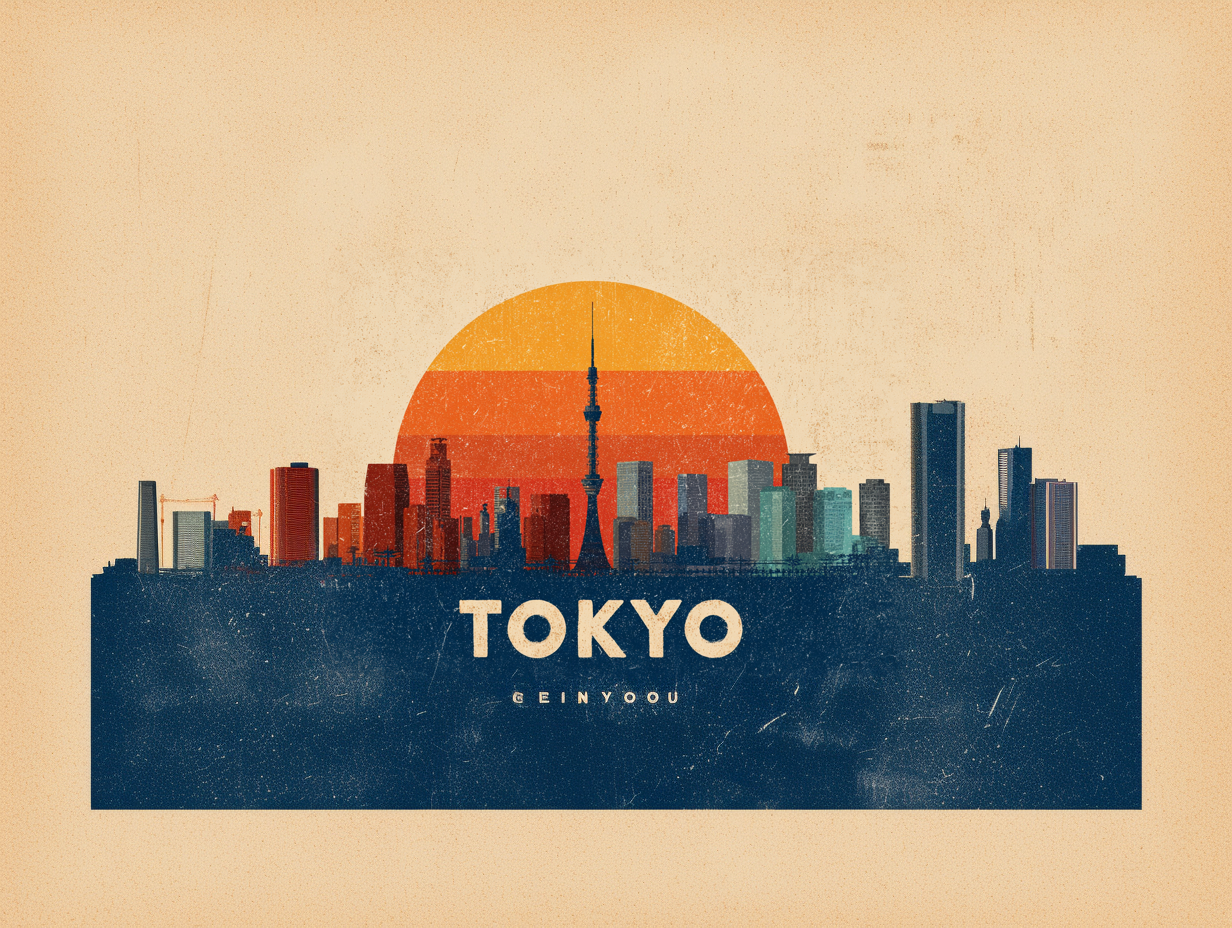
Colour psychology differs markedly across Asian cultures. Red signifies prosperity in Chinese contexts but may carry different connotations in other markets. Incorporating culturally appropriate colour schemes requires specific prompt adjustments that acknowledge these regional preferences.
Facial representation and body language also require careful consideration. Prompts should specify appropriate dress codes, gesture interpretations, and social contexts that align with target audience expectations. This attention to cultural detail differentiates professional AI art from generic outputs.
The rise of AI-powered creative tools has democratised access to professional-quality visuals, but cultural sensitivity remains a distinctly human responsibility. Effective prompting bridges this gap by encoding cultural awareness into AI instructions.
How specific should my Midjourney prompts be?
Aim for 15-50 words with clear, descriptive language. Include specific details about colours, lighting, composition, and style while avoiding overly complex sentences that might confuse the AI processor.
Can I use copyrighted characters or brands in my prompts?
Avoid directly naming copyrighted characters or specific brand logos. Instead, describe visual styles or artistic approaches that achieve similar aesthetics without potential legal complications.
What's the best aspect ratio for social media content?
Use 1:1 for Instagram posts, 9:16 for Stories and TikTok, 16:9 for YouTube thumbnails and LinkedIn posts. Adjust ratios using Midjourney's aspect ratio parameter for optimal platform compatibility.
How do I create culturally appropriate content for Asian markets?
Research cultural colour meanings, appropriate dress codes, and social contexts for your target region. Include specific cultural elements in prompts while avoiding stereotypes or overgeneralised representations.
Should I mention technical camera settings in my prompts?
Yes, for photorealistic images. Include specific camera models, lens types, aperture settings, and lighting conditions. This technical language helps Midjourney generate more professional-looking photographs rather than obviously AI-created images.
The future of AI art generation continues evolving rapidly, with new platforms and capabilities emerging regularly. Staying informed about latest developments in AI image generation while mastering current tools positions businesses for sustained creative success.
As you implement these prompting strategies in your own projects, remember that effective AI art creation combines technical understanding with creative intuition. The most successful businesses treat AI as a collaborative partner rather than a replacement for human creativity, using strategic prompting to amplify their unique brand vision across diverse Asian markets.
What prompting challenges have you encountered in your AI art projects, and how have cultural considerations influenced your creative decisions? Drop your take in the comments below.