A US musician allegedly used AI and bots to fraudulently stream songs for millions in royalties.,The scheme involved thousands of AI-generated tracks and bot accounts.,Artists and record labels are concerned about the fair distribution of profits from AI-created music.
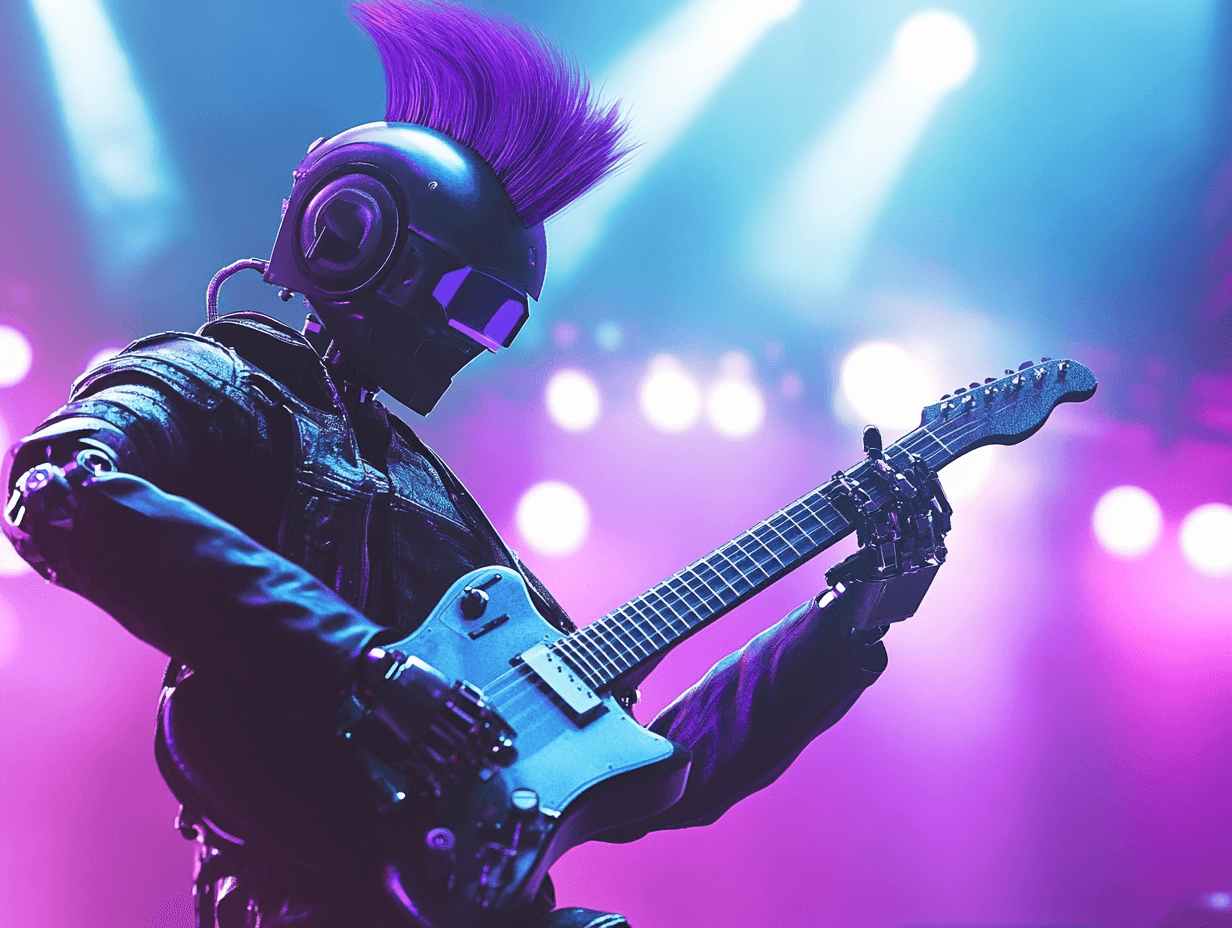
Artificial Intelligence (AI) is revolutionising industries worldwide, including the music sector. However, recent events have shed light on the darker side of AI in music, with fraudulent activities raising serious concerns. In a groundbreaking case, a musician in the US has been accused of using AI tools and bots to manipulate streaming platforms and claim millions in royalties. Let's delve into the details of this scandal and explore the broader implications for the music industry.
The AI Music Fraud Scheme
Michael Smith, a 52-year-old from North Carolina, has been charged with multiple counts of wire fraud, wire fraud conspiracy, and money laundering conspiracy. Prosecutors allege that Smith used AI-generated songs and thousands of bot accounts to stream these tracks billions of times across various platforms. This elaborate scheme aimed to avoid detection and claim over $10 million in royalty payments.
According to the indictment, Smith operated up to 10,000 active bot accounts at times. He partnered with the CEO of an unnamed AI music company, who supplied him with thousands of tracks each month. In exchange, Smith provided track metadata and a share of the streaming revenue. Emails between Smith and his co-conspirators reveal the sophistication of the technology used, making the scheme increasingly difficult to detect.
The Impact on the Music Industry
The rise of AI-generated music and the availability of free tools to create tracks have sparked concerns among artists and record labels. These tools are trained on vast amounts of data, often scraped indiscriminately from the web, including content protected by copyright. Artists feel their work is being used without proper recognition or compensation, leading to outrage across creative industries. This issue is part of a larger conversation about the invisible impact of AI across various sectors.
Earlier this year, a track that cloned the voices of Drake and The Weeknd went viral, prompting platforms to remove it swiftly. Additionally, prominent artists like Billie Eilish, Chappell Roan, Elvis Costello, and Aerosmith signed an open letter calling for an end to the "predatory" use of AI in the music industry. This also brings to mind other legal battles, such as Warner Bros taking Midjourney to court over AI and superheroes.
Platforms' Response to AI Fraud
Music streaming platforms such as Spotify, Apple Music, and YouTube have taken steps to combat artificial stream inflation. Spotify, for instance, has implemented changes to its royalties policies, including charging labels and distributors for detected artificial streams and increasing the stream threshold for royalty payments. These measures aim to protect the integrity of the streaming ecosystem and ensure fair compensation for artists. Indeed, Spotify recently cut 75 million tracks as the AI music flood forces a streaming rethink.
The Legal Consequences
Michael Smith faces severe legal consequences if found guilty, with potential prison sentences spanning decades. This case serves as a stark reminder of the legal and ethical boundaries surrounding AI and its applications. As AI continues to evolve, the need for robust regulations and enforcement becomes increasingly critical. A recent report by the US Copyright Office on AI and Copyright highlights the complexities of intellectual property in the age of generative AI.
The Future of AI in Music
While the misuse of AI in the music industry is a cause for concern, it's essential to recognise the positive potential of this technology. AI can enhance creativity, streamline production processes, and open new avenues for artistic expression. Balancing innovation with ethical considerations will be key to harnessing the benefits of AI while protecting the rights of creators. This is a challenge that resonates across many industries, as seen in the discussion around executives treading carefully on generative AI adoption.
Comment and Share:
What are your thoughts on the use of AI in the music industry? Do you believe it opens up new creative possibilities or poses a threat to artists' rights? Share your opinions and experiences in the comments below. Don't forget to Subscribe to our newsletter for updates on AI and AGI developments.








Latest Comments (6)
@ameliat: This Michael Smith case reminds me of a client project where we had to untangle bot traffic from genuine user engagement on an e-commerce site. The sheer scale of 10,000 active bot accounts to manipulate royalties, that's next level. Makes me wonder how many platforms are actually ready for this kind of weaponized AI.
woah, 10,000 bot accounts, that's wild! imagine trying to pull something like that here in thailand or vietnam, pretty sure local platforms would catch on faster, especially with how tight-knit the indie music scene is. makes you wonder about the platform security in different regions for sure. 🤔
@carlor: This Michael Smith guy, 10,000 bot accounts? Wow. As someone who does this for a living, you gotta wonder how much server power and dev time went into setting all that up. Was it just a few people or a whole team? The technical side of the fraud is almost as wild as the money they tried to claim.
This "fraud" just sounds like an early version of prompt engineering for music. We've been building out LLM-powered tutors, and the early days of getting predictable output often felt like we were gaming the system. The bot accounts are definitely sketchy, but the AI-generated tracks bit is just iterative development.
quite a tangle with this bloke Smith generating billions of streams with AI. makes you wonder how long until we see similar shenanigans in the financial markets. plenty of bots there already, just waiting for a good AI to give 'em a proper tune.
@olivert Personally, I'm finding it hard to believe 10,000 active bot accounts went undetected for long enough to net $10 million. You'd think the streaming platforms would have rather more robust anomaly detection in place, especially given the sums involved. Sounds like a fairly rudimentary oversight, doesn't it?
Leave a Comment