
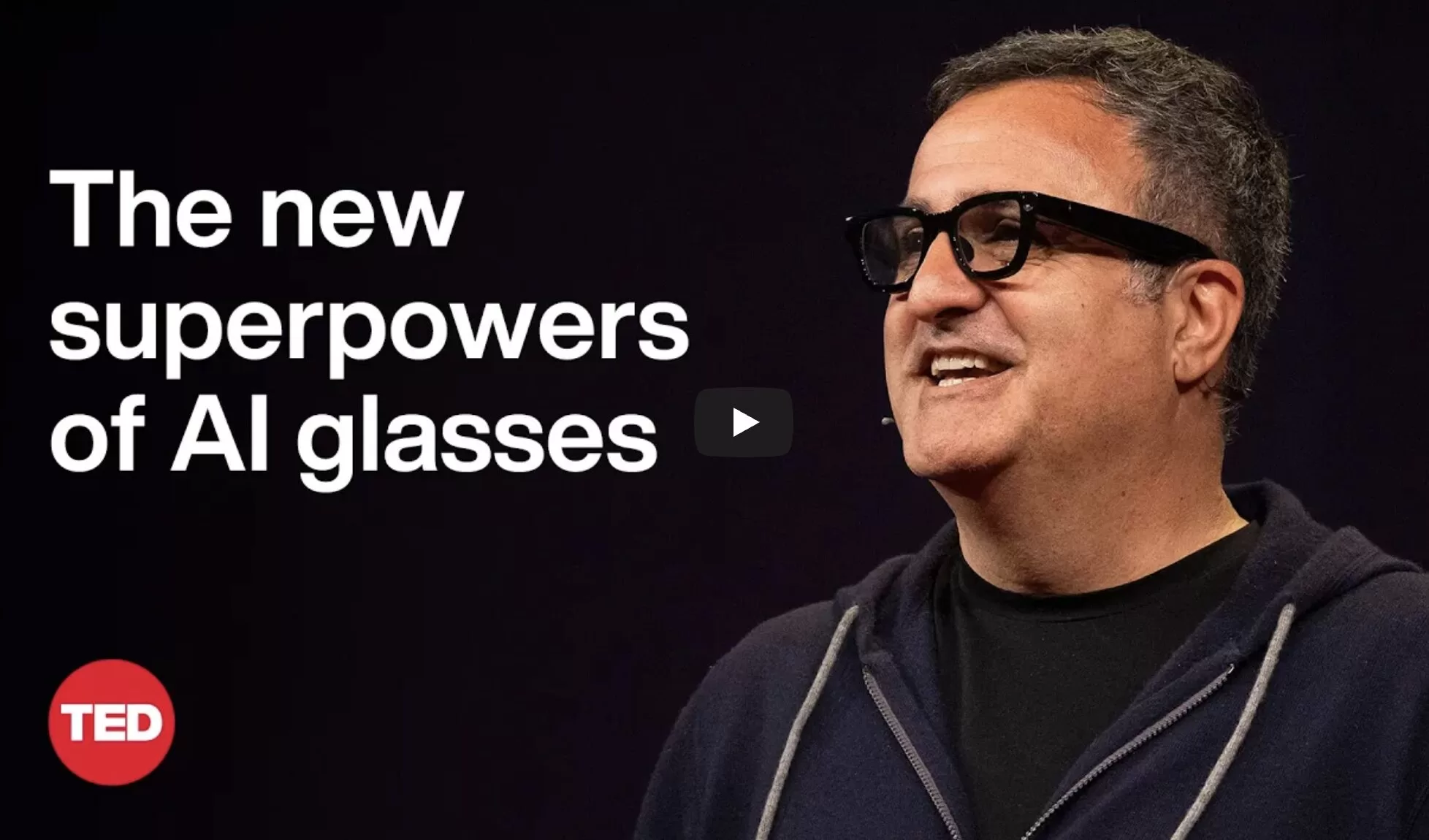
How AI-powered smart glasses and spatial computing are redefining the next phase of the computing revolution.
Why This Video Matters
Lightweight smart glasses and XR headsets,Real-time, multimodal AI assistants (powered by Gemini),A future where tech doesn’t just support you — it remembers for you, translates, navigates, and even teaches
Key Takeaways From the Presentation
- The Convergence Has Arrived
- Contextual Memory: Your AI Remembers What You Forget
- Language Barriers? Gone.
- From Interfaces to Interactions
- Education + Creativity Get a Boost
Why This Matters for Asia
The integration of AI into wearable technology like smart glasses has significant implications for the Asian market, where technological adoption is rapid and diverse. For instance, such advancements can lead to more inclusive education tools for remote learners, offering personalized learning experiences. Furthermore, this technology can facilitate smarter workforce training across languages and contexts, bridging skill gaps and enhancing productivity. The development of digital companions that can serve diverse populations — from elders to Gen Z creators — opens up new avenues for accessibility and personalized assistance, especially in regions with rapidly aging populations or those with significant linguistic diversity. This shift towards AI-powered wearables aligns with broader trends in the region, as highlighted by reports on AI's economic impact in Southeast Asia^[Artificial Intelligence in Southeast Asia - Google, Temasek, Bain & Company] and the overall AI boom fueling Asian market surge.
Watch It Now: The Full TED Talk
Final Thought










Latest Comments (7)
The implications for inclusive education tools, especially for remote learners in Asia, are . However, we must ensure these are truly accessible and do not exacerbate existing digital divides in terms of cost and infrastructure.
@harryw: it's interesting to think about the "contextual memory" aspect mentioned. how would these AI models, especially given the multimodal input from glasses, handle data privacy and consent for information learned in public spaces? the legal frameworks for this seem pretty nascent with current LLMs, let alone something constantly observing.
@harryw: it's interesting to see the emphasis on "contextual memory" and the AI remembering things for you. from a purely technical standpoint, how is that actually implemented beyond just a basic persistent memory store? are we talking about some form of continuous learning or knowledge graph construction happening on-device or cloud-based? and how do they address the privacy and data security concerns of essentially having a constantly observing, remembering AI embedded in a wearable, especially for something as personal as one's daily life, given the regulatory landscape even in markets with high tech adoption like parts of Asia?
The bit about "Contextual Memory: Your AI Remembers What You Forget" is exactly what I've been saying for years. We had similar ideas floated back in the late 90s with things like Jini and even early attempts at pervasive computing-remembering preferences, anticipating needs. The tech wasn't there then, obviously. But the concept of a system proactively surfacing information based on your real-time context and personal history? That's not new. It's just now we might actually have the compute power and data sets to make it practical. I'll be interested to see how they handle the privacy implications this time around. That’s always the sticking point.
This "contextual memory" feature is definitely where the VC money is going next in wearables. We're seeing a push for AI that anticipates needs, not just reacts. The market for hyper-personalized digital companions, especially in aging populations across Asia, looks massive.
@priyaram: The idea of these multimodal AI assistants remembering everything for us, that's exciting on paper. But looking at our telco infrastructure here in Malaysia, especially outside the major cities, the constant, low-latency connectivity needed for real-time Gemini integration in wearable devices is a big question mark. We're still pushing 5G rollout, and even then, consistent, high-speed data for everyone isn't a given. How do these "always-on memory" features work when bandwidth is constrained or patchy? It's not just about the tech existing, it's about making it actually work reliably for the mass market here.
When I read about the "digital companions that can serve diverse populations, from elders to Gen Z creators," it really makes me think about Mr. Tanaka from our pilot project. He's 88 and sometimes forgets his medication, or where he left his glasses. Imagine if these AI glasses could gently remind him, or even help him find them with a quick scan of the room. It's not just about convenience for him, it's about maintaining his independence and dignity for just a little bit longer. That's the real impact we're hoping to achieve with AI in eldercare.
Leave a Comment