Wimbledon plans to replace line judges with AI, putting 300 jobs at risk.,The decision follows the successful use of Hawk-Eye Live at the 2020 US Open.,Experts express concerns about job losses and the human element in tennis.
The AI Revolution at Wimbledon
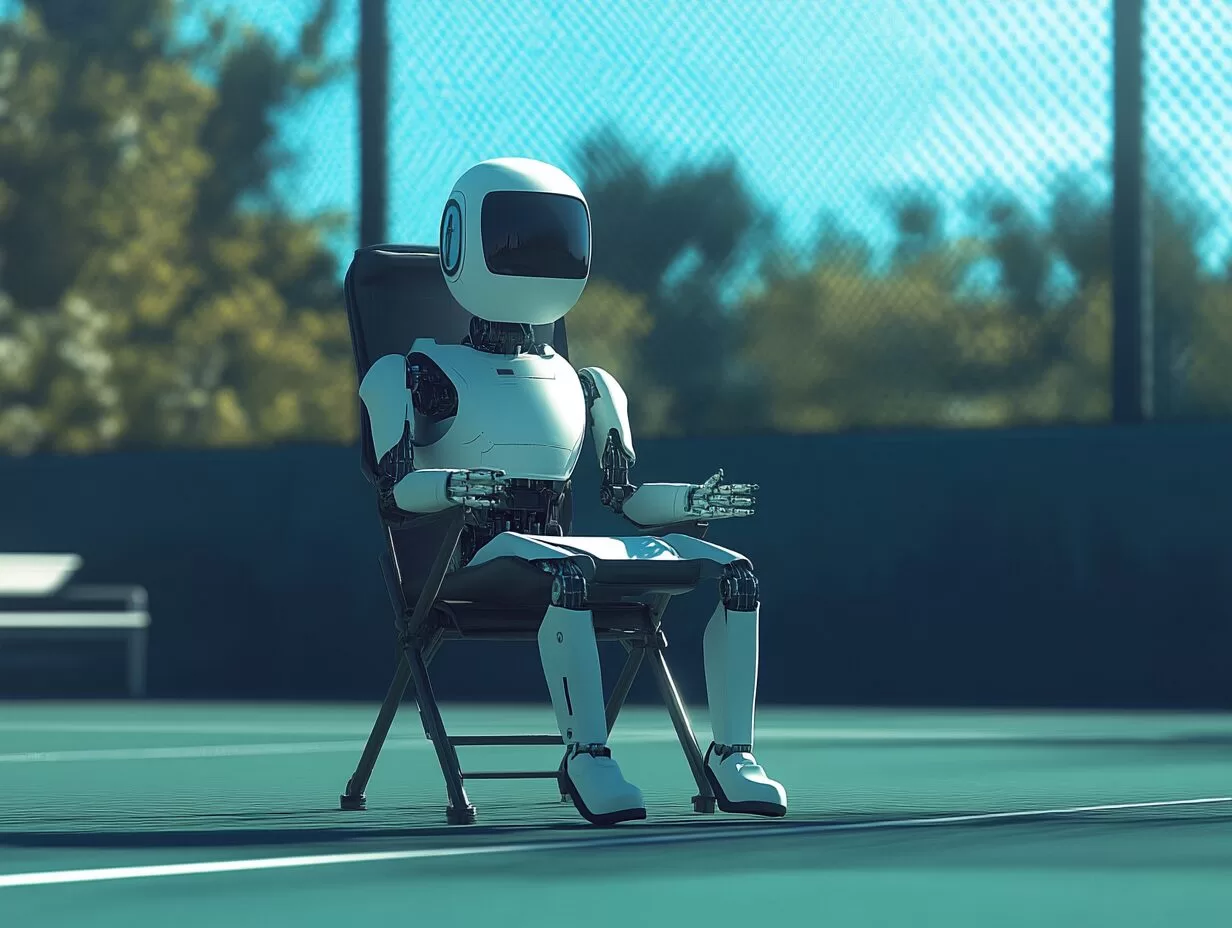
Wimbledon, one of the world's most prestigious tennis tournaments, is set to undergo a significant transformation. The All England Club has announced plans to replace line judges with Artificial Intelligence (AI) from next year. This decision has left many staff members devastated, as it puts 300 jobs at risk. The move comes four years after the successful implementation of the Hawk-Eye Live system at the 2020 US Open.
A Tradition Comes to an End
Line judges have been an integral part of Wimbledon since its inception 147 years ago. Their presence on the court has been a symbol of tradition and human involvement in the sport. However, the tide of AI seems unstoppable, and Wimbledon is not immune to its influence.
The Impact on Jobs
The decision to replace line judges with AI has sparked concerns about job losses. Chair umpire Richard Ings, speaking to the Telegraph, described it as a "sad but inevitable day." He noted that while AI brings gains, it also results in the loss of the human touch. Ings said, "Nothing will hold back the tide of AI. And these technologies create gains for sure, but we also lose something on the human side. Will your job be safe from AI?" The question of job security in the face of advancing technology is a growing concern across various sectors, as explored in articles like What Every Worker Needs to Answer: What Is Your Non-Machine Premium?.
The Human Element in Tennis
Ings also highlighted the emotional impact on line judges, stating that they have had their "love and passion ripped away" following the controversial call. He added, "More than 300 good people and excellent officials – the best of the best working at the pinnacle of the sport – today had their love and passion ripped away."
John Parry, who umpired eight Wimbledon finals during his career, shared similar sentiments. He said, "It’s just a feeling of sadness because there are quite a nucleus of line judges at the top level who are now out of a job." Parry also noted that some players, including Roger Federer, valued the human element in the game. This sentiment echoes broader discussions about the importance of empathy and trust in the world of AI.
Concerns for Lesser Tournaments
The decision to replace line judges with AI has raised concerns about the future of lesser tennis tournaments. Those hoping to become line judges will no longer have the opportunity to work at a Grand Slam, which could lead to recruitment issues. Andrew Jarrett, a former Wimbledon referee, expressed his worries about the future. He said, "I saw the announcement and it's inevitable, I think. It's progress, like it or not. But there’s potentially more of a problem further down the food chain. Small pro events that can’t afford ELC (electronic line-calling) may struggle to source officials who no longer have the incentive of being able to prove their worth for selection to Wimbledon."
The Lawn Tennis Association's Response
The Lawn Tennis Association (LTA) has acknowledged the concerns and is working with the Association of British Tennis Officials to develop a new strategy. The aim is to ensure that officials can be retained within the sport. However, the future remains uncertain for many line judges.
The Future of AI in Sports
The decision to replace line judges with AI at Wimbledon is a significant step in the integration of technology into sports. While AI offers many benefits, such as increased accuracy and efficiency, it also raises important questions about the role of humans in the sporting world. As AI continues to advance, it is crucial to consider the impact on jobs and the human element in sports. For instance, Formula 1 teams are already using AI to improve performance on the track, showcasing the broader trend of AI adoption in competitive sports. The potential for job displacement due to AI is a topic of ongoing debate, as highlighted in discussions around whether AI agents will steal your job or help you do it better.
The decision to replace line judges with AI at Wimbledon marks a significant shift in the world of tennis. While AI offers many benefits, it also raises important questions about job security and the human element in sports. As AI continues to advance, it is crucial to consider its impact on the sporting world and the people who work within it. The future of AI in sports is uncertain, but one thing is clear: the tide of technology is unstoppable. A comprehensive study by the World Economic Forum on the Future of Jobs 2023 provides further insights into how AI and automation are reshaping employment landscapes globally.
Comment and Share:
What are your thoughts on the decision to replace line judges with AI at Wimbledon? Do you think this is a positive step forward for the sport, or are you concerned about the loss of the human touch? Share your opinions in the comments below and Subscribe to our newsletter for updates on AI and AGI developments.
YOUR TAKE
We cover the story. You tell us what it means on the ground.
What did you think?
Share your thoughts
Be the first to share your perspective on this story
This is a developing story
We're tracking this across Asia-Pacific and may update with new developments, follow-ups and regional context.