AI reduces medical imaging diagnostic time from 20 to 5 minutes with 80% accuracy.,Vietnam aims to screen 1 million people using AI for disease detection.,Generative AI is addressing radiologist shortfalls and data management inefficiencies.
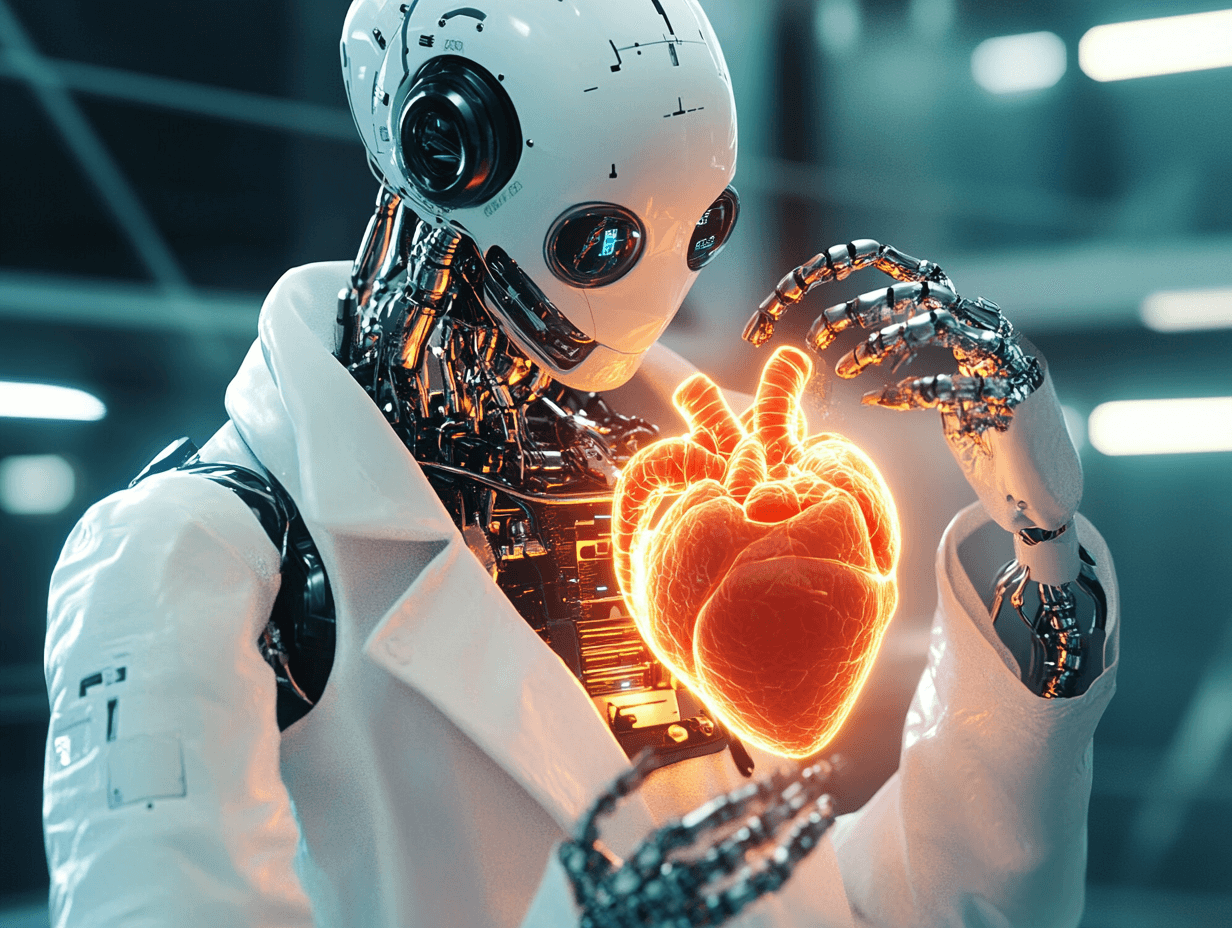
Artificial Intelligence (AI) and Artificial General Intelligence (AGI) are revolutionising healthcare in Asia, bringing unprecedented speed and accuracy to medical services. In Vietnam, AI is becoming a game-changer, especially in medical imaging diagnostics.
AI in Medical Imaging: Faster and Smarter
Dr. Mai Hong Son from Military Hospital 108 shared groundbreaking insights at a recent medical conference. AI is helping doctors make faster and more accurate decisions. Diagnostic times have been slashed from 20 minutes to just 5 minutes, with an impressive 80% accuracy rate.
"AI applications now have been widely used in different fields, but healthcare is among the top four used in Việt Nam. We have been cooperating with IT engineers in building more new applications of AI in medical imaging service and treatment." - Dr. Mai Hong Son
"AI applications now have been widely used in different fields, but healthcare is among the top four used in Việt Nam. We have been cooperating with IT engineers in building more new applications of AI in medical imaging service and treatment." - Dr. Mai Hong Son
Vietnam's Healthcare Transformation
Vietnam's healthcare sector is rapidly adopting AI and digital technologies. With over 100 million people, 1,400 public hospitals, 350 private hospitals, and 50,000 clinics, the need for efficient healthcare solutions is paramount. The Ministry of Health is accelerating AI research and digital transformation to meet these demands.
The Vietnam Young Physicians’ Association (VYPA) proposed an ambitious plan to screen 1 million people for diseases using AI. This initiative highlights the country's commitment to leveraging technology for public health.
Generative AI: A New Chapter in Healthcare
Steven Truong Quoc Hung, Founder and CEO of VinBrain, emphasised the transformative power of generative AI. With radiologist shortfalls and inefficient data management, generative AI adoption is rewriting the story of Vietnamese healthcare.
"With generative AI, we are rewriting the story of Vietnamese healthcare, a story full of hope and innovation." - Steven Truong Quoc Hung
"With generative AI, we are rewriting the story of Vietnamese healthcare, a story full of hope and innovation." - Steven Truong Quoc Hung
Billions of data points are generated annually, making it challenging for healthcare professionals to utilise them effectively. Generative AI addresses these issues, offering innovative solutions for better patient care.
AI Applications in Da Nang
Doctors from Da Nang's Public Security Hospital 199 shared their experiences with digital transformations and AI. These technologies are not only improving diagnostic accuracy but also enhancing overall healthcare services in the region.
Exhibiting the Future
The conference also featured an exhibition showcasing advanced medical equipment and AI tech from leading companies like Canon, Samsung, LG, Siemens, and Phillips. This event underscored the growing importance of AI in the healthcare sector. For more on how AI is impacting various industries, you might be interested in AI's Secret Revolution: Trends You Can't Miss.
The Future of AI in Radiology
Professor Curtis Langlotz, Director of the Stanford Centre for AI and Imaging, discussed the benefits and future of AI in radiology. He highlighted the empathy of Chatbot explanations, emphasising the human touch in AI-driven healthcare. This focus on human interaction with AI is also explored in articles like We Need Empathy and Trust in the World of AI.
Embracing the AI Revolution
AI and AGI are transforming healthcare in Asia, offering faster, more accurate diagnostics and better patient care. Vietnam's proactive approach to AI adoption sets a benchmark for other countries. As we move forward, the integration of AI in healthcare will continue to shape the future of medical services.
Comment and Share:
What AI innovations do you think will have the biggest impact on healthcare in the next decade? Share your thoughts in the comments below and Subscribe to our newsletter for updates on AI and AGI developments.
YOUR TAKE
We cover the story. You tell us what it means on the ground.
What did you think?
Share your thoughts
Be the first to share your perspective on this story
This is a developing story
We're tracking this across Asia-Pacific and may update with new developments, follow-ups and regional context.