
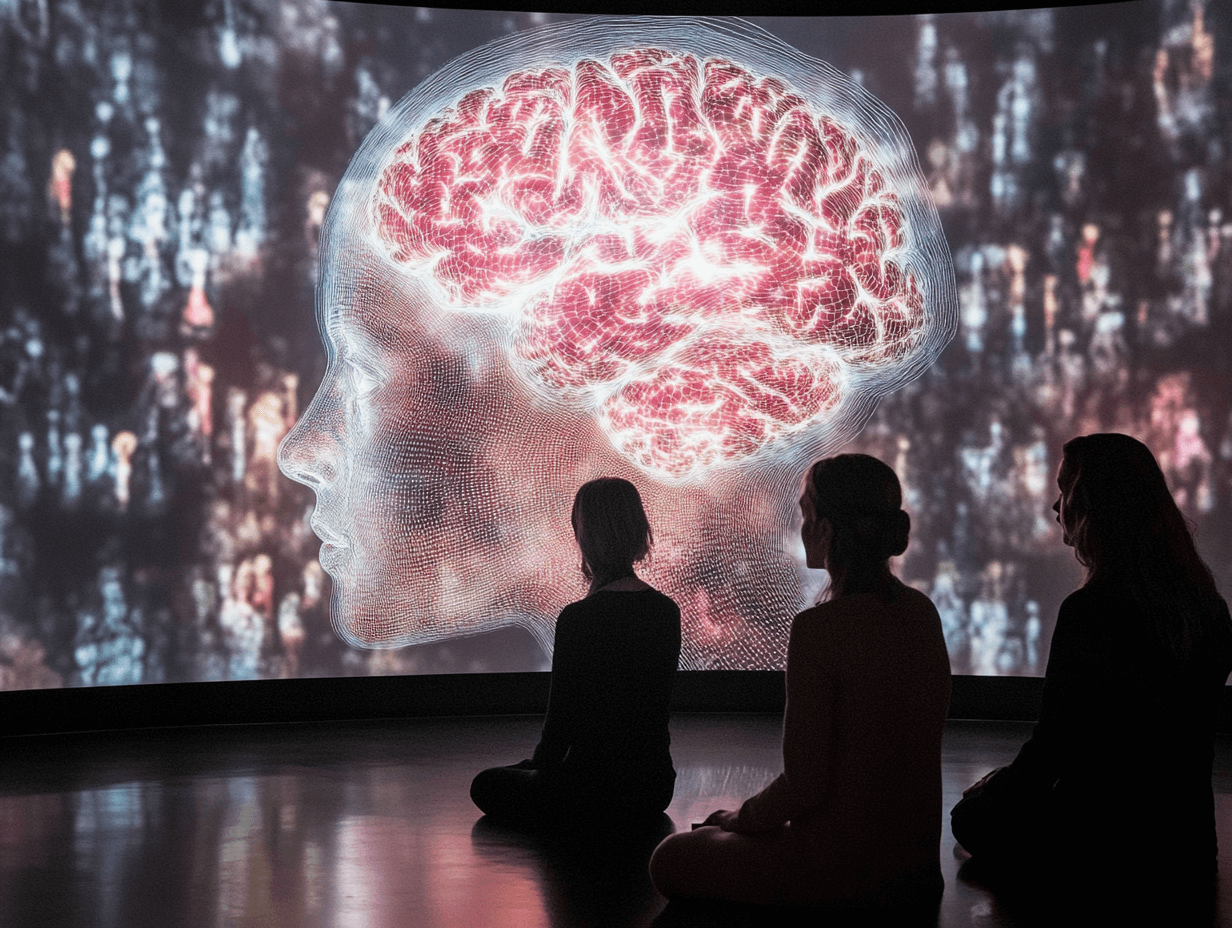
Imagine a world where artificial intelligence isn't just about silicon chips and algorithms, but actual human brain cells. Sounds like science fiction, right? Well, buckle up because this is real, and it's happening right now in Asia. Let's dive into the fascinating and slightly mind-boggling world of lab-grown human brains for AI.
The Rise of Wetware
AI was supposed to make life easier, but it turns out that the best way to advance AI might be by using human brains. A Swiss startup is doing just that—growing human brains in labs and linking them together to create superbrains. Why? Because it's more effective, cheaper, and environmentally friendly than traditional AI methods. This approach contributes to the broader discussion around AI's Secret Revolution: Trends You Can't Miss.
How Does It Work?
Growing Brains: The process starts with stem cells derived from human skin. These magical cells can be coaxed into becoming brain cells. Interconnecting Brains: Once mini human brains are grown, they are interconnected to form a powerful network for AI. * Efficiency: Brain cells communicate through electrical signals, making them compatible with silicon chips. This results in biocomputers that consume a million times less power than traditional digital processors.
The Environmental Impact
One of the biggest advantages of this "wetware" is its environmental impact. Traditional AI and data centers consume massive amounts of electricity. For example, bitcoin mining alone uses more electricity than Norway and Ukraine combined. In northern Virginia, the largest hub of data centers in the world consumes enough electricity to power 800,000 homes. Wetware offers a more sustainable solution, especially as the AI Wave Shifts to Global South, where resource efficiency is critical. This also ties into the broader issue of Running Out of Data: The Strange Problem Behind AI's Next Bottleneck.
Ethical and Societal Implications
While the idea of lab-grown brains for AI sounds fascinating, it also raises serious ethical and societal questions. The ethical considerations are complex, much like the ongoing debate around Deliberating on the Many Definitions of Artificial General Intelligence.
The Future of Work
With biocomputers that can think and process information more efficiently than humans, what does this mean for the future of work? Will there be a need for fully formed humans in the workforce? Or will we become redundant, only needed as customers and admirers of the tech giants? This concern is echoed in discussions about What Every Worker Needs to Answer: What Is Your Non-Machine Premium?.
Ethical Considerations
Who decides how these bodiless brains are used? Will they be enslaved into enterprises by the "money boys"? And what about the people who weathered childhood, spent thousands on education, and developed ethics and philosophy? Will their contributions be valued, or will they be overshadowed by these new biocomputers? These questions highlight the need for robust ethical frameworks, as explored by organizations like the OECD in their work on AI principles.
The Role of Humans in the Future
Despite the advancements in AI and wetware, humans will still play a role in the future. Our experiences, education, and ethics are invaluable. But how will we coexist with these new biocomputers? This is a question that needs preliminary contemplation by people with intact brains—the kind you might find between a pair of ears.
Comment and Share:
What do you think about the future of AI with lab-grown human brains? How will this impact our society and the environment? Share your thoughts in the comments below and Subscribe to our newsletter for updates on AI and AGI developments.
YOUR TAKE
We cover the story. You tell us what it means on the ground.
What did you think?
Share your thoughts
Be the first to share your perspective on this story
This is a developing story
We're tracking this across Asia-Pacific and may update with new developments, follow-ups and regional context.