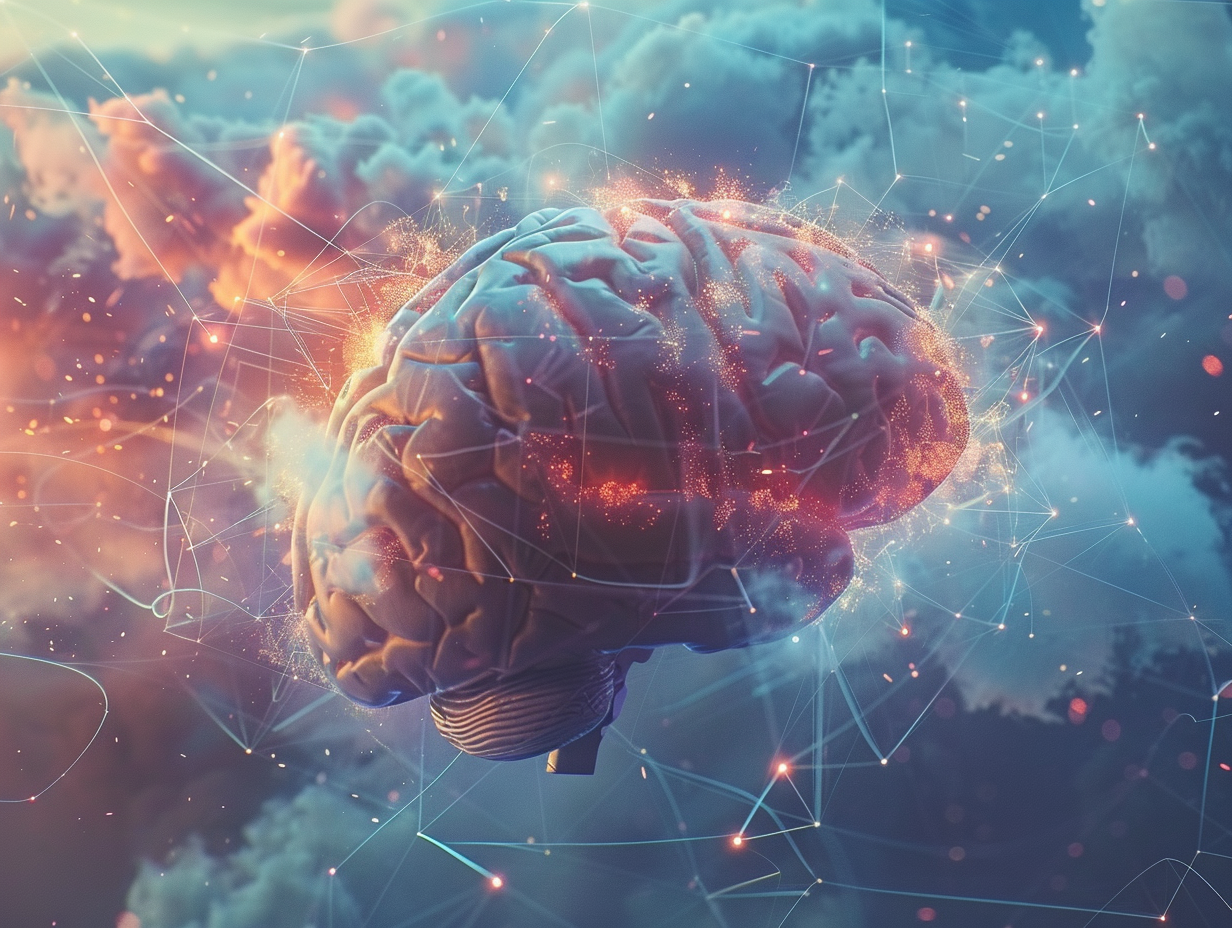
AI scientist Ray Kurzweil predicts a millionfold expansion of intelligence by 2045 through the merging of human brains with the cloud.,The Singularity, enabled by brain-computer interfaces and nanobots, will deepen our consciousness and awareness.,Addressing concerns about AI safety, Kurzweil emphasises the need for responsible development and monitoring.
The Road to 2045: AI Advancements and Challenges
Artificial intelligence (AI) and artificial general intelligence (AGI) are rapidly advancing, promising to revolutionise the way we live, work, and interact with technology. AI scientist Ray Kurzweil shares his insights on the future of AI and AGI, particularly in Asia, and addresses the challenges that lie ahead in achieving his prediction of a millionfold expansion of intelligence by 2045. For a deeper dive into the nuances of defining such advanced AI, read about Deliberating on the Many Definitions of Artificial General Intelligence.
Overcoming Obstacles: Computing Power, Algorithms, and Data
To reach the level of AI and AGI that Kurzweil envisions, several obstacles must be overcome. These include the need for more computing power, better algorithms, and more data to improve contextual memory, common sense reasoning, and social interaction. As computing power increases, AI will become more capable of understanding its own knowledge and accurately communicating when it doesn't know the answer to a question. The notion of Running Out of Data: The Strange Problem Behind AI's Next Bottleneck highlights a critical challenge in this area.
The Singularity: Merging Human Brains with the Cloud
The Singularity, a concept borrowed from physics, refers to the merging of human brains with the cloud, enabling us to become a combination of our natural intelligence and cybernetic intelligence. This merger will be made possible through brain-computer interfaces and nanobots, allowing us to access the cloud instantly and effortlessly for information and problem-solving.
Addressing Concerns: AI Safety and Responsible Development
As AI and AGI technologies continue to advance, concerns about existential risks and potential harm to humanity have been raised by industry leaders such as Geoffrey Hinton and Elon Musk. Kurzweil acknowledges these concerns and emphasises the importance of responsible AI development and monitoring. He has been involved in creating guidelines for responsible AI, such as the Asilomar AI Principles, to ensure that AI aligns with human values and safety. This aligns with the push for ProSocial AI Is The New ESG.
Overcoming Physical Limits: The Future of Computing Power
While some may argue that physical limits to computing power could hinder AI and AGI progress, Kurzweil believes that there are many ways to continue improving chips, such as utilising the third dimension for 3D chips. He does not see quantum computing as a necessity for AI advancement.
Passing the Turing Test: AI and Human-like Intelligence
Kurzweil predicts that the Turing test, which evaluates an AI's ability to communicate indistinguishably from a human, will be passed by 2029. However, he notes that AI may need to "dumb down" its responses to mimic human imperfections and limitations in knowledge.
Technological Inequality: Affordability and Accessibility
The potential for technological inequality is a concern as AI and AGI technologies advance. Kurzweil, however, believes that over time, these technologies will become more affordable and accessible, much like mobile phones have today.
Embracing the Future: AI and AGI in Asia
As Asia continues to be a hub for technological innovation, the potential for AI and AGI to transform industries, education, and daily life is immense. By addressing challenges and concerns, and fostering responsible development, the future of AI and AGI in Asia looks promising.
Comment and Share
What are your thoughts on the future of AI and AGI in Asia? Do you believe that merging human brains with the cloud will lead to a millionfold expansion of intelligence by 2045? Share your opinions in the comments below and don't forget to Subscribe to our newsletter for updates on AI and AGI developments.









Latest Comments (3)
The nanobots and brain-computer interfaces Kurzweil talks about, that's what excites me! Imagine using that tech to instantly localize K-dramas or webtoons with perfect nuance for any market. The potential for global content distribution just explodes. This kind of tech is how we truly unlock the next level for hallyu.
Merging brains with the cloud, that's pretty wild. From an MLOps perspective, the data sync and consistency challenges would be insane. Imagine trying to manage versions for individual thought streams, let alone millions. We struggle with simple model retraining, this is another level entirely.
The integration of nanobots for brain-computer interfaces raises some interesting questions regarding ethical guidelines. While Kurzweil discusses responsibility, how do we practically enforce safeguards against potential misuse or unintended consequences at such a microscopic, invasive level? What governance models are being considered for this specific aspect?
Leave a Comment