The 'dead internet theory' suggests AI and bots dominate internet activity and content creation.,AI-generated content, like 'shrimp Jesus' images, can garner significant engagement.,Bot-fuelled disinformation campaigns have been used to sway public opinion and promote propaganda.,Nearly half of all internet traffic in 2022 was generated by bots.,Social media organisations are attempting to combat bot activity.
In the vast expanse of the internet, something strange is happening. If you search for “shrimp Jesus” on Facebook, you'll find dozens of AI-generated images of crustaceans morphed with the stereotypical image of Jesus Christ. Some of these hyper-realistic images have garnered over 20,000 likes and comments. Welcome to the eerie world of the 'dead internet theory'.
What is the Dead Internet Theory?
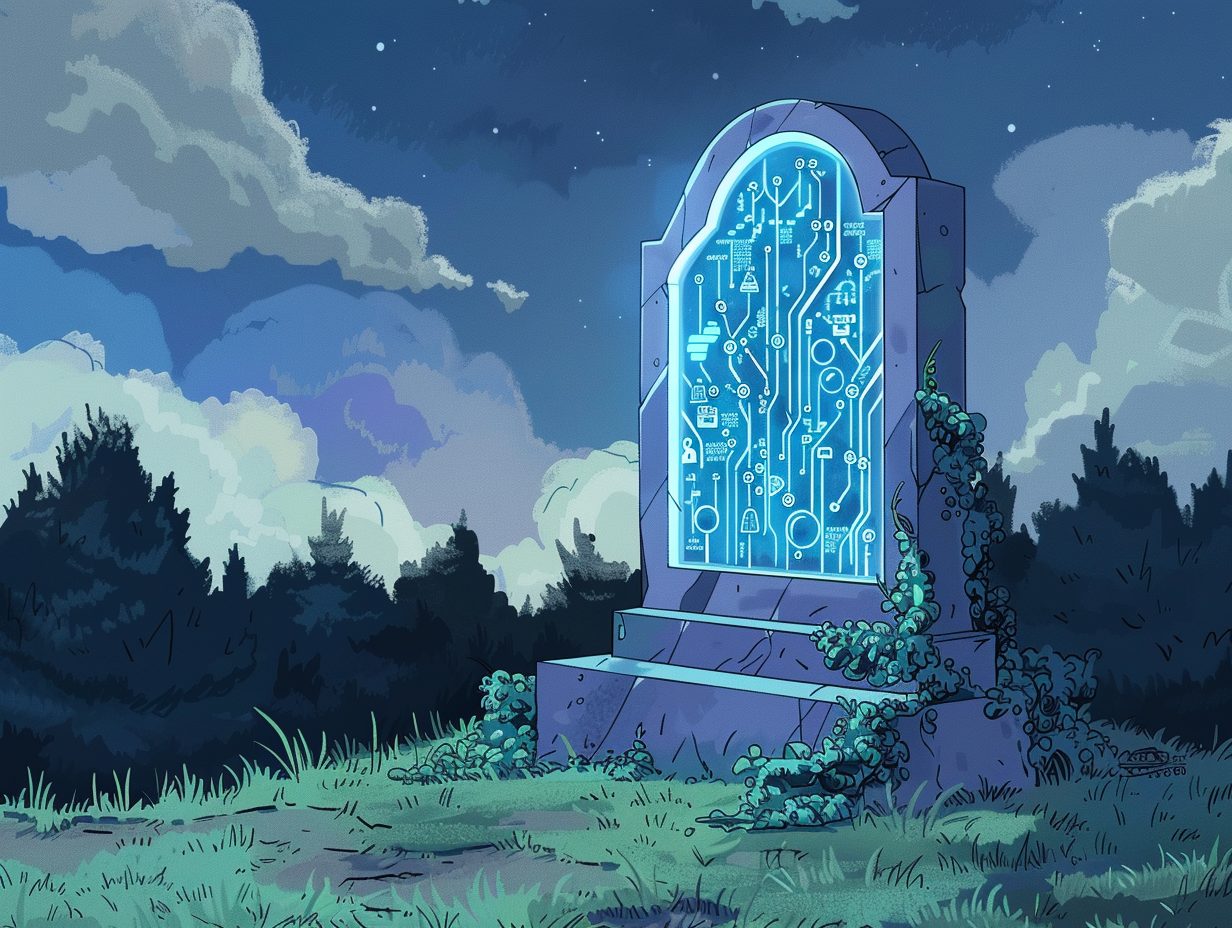
The 'dead internet theory' claims that the majority of activity and content on the internet is created and automated by artificial intelligence (AI) agents. These agents rapidly produce posts and AI-generated images to farm engagement on platforms like Facebook, Instagram, and TikTok. The 'shrimp Jesus' phenomenon is just one example of AI learning what goes viral.
But the theory goes deeper. Many accounts engaging with such content are also managed by AI, creating a cycle of artificial engagement with no human involvement.
Harmless Engagement-Farming or Sophisticated Propaganda?
At first, the motivation seems obvious: social media engagement leads to advertising revenue. However, there might be more sinister intentions beneath the surface. As AI-driven accounts gain followers (both fake and real), they appear legitimate to real users. This creates an army of accounts that could be deployed by the highest bidder.
This is crucial because social media is now the primary news source for many users worldwide. In Australia, 46% of 18 to 24-year-olds named social media as their main news source in 2023, up from 28% in 2022.
Bot-Fuelled Disinformation
There's strong evidence that social media is being manipulated by bots to sway public opinion. In 2018, a study analysed 14 million tweets and found bots significantly involved in disseminating articles from unreliable sources. This approach has been used after mass shooting events in the US and in pro-Russian disinformation campaigns.
Reports suggest that nearly half of all internet traffic in 2022 was generated by bots. With advancements in generative AI like ChatGPT and Google's Gemini, the quality of fake content is only improving. This raises concerns about the potential for AI to recalibrate the value of data and influence public perception.
Social Media Organisations Fight Back
Social media giants are trying to address platform misuse. Elon Musk has explored requiring Twitter users to pay for membership to stop bot farms. Social media companies can remove large amounts of detected bot activity if they choose to. This ongoing battle highlights the challenges of executives treading carefully on generative AI adoption.
The Internet is No Longer for Humans
The 'dead internet theory' doesn't claim that most personal interactions online are fake. Instead, it suggests that the internet is no longer primarily for humans. The freedom to create and share thoughts online is what made the internet powerful, and it's this power that bad actors seek to control. This shift also impacts how we understand AI and (dis)ability, as accessibility and genuine human interaction become more complex.
Navigating the Dead Internet
To navigate this new reality, it's essential to be sceptical and critical. Any interaction, trend, or sentiment could be synthetic, designed to alter perceptions. Understanding how to spot AI video and other AI-generated content is becoming increasingly important.
The Future of AI and the Internet
As AI continues to evolve, so will its role on the internet. Staying informed about these developments is crucial. Websites like AIinAsia provide updates on AI advancements, while Bot Sentinel offers insights into bot activity on social media.
Comment and Share:
Have you encountered any bizarre AI-generated content online? How do you think we can combat the spread of bot-fuelled disinformation? Share your thoughts and experiences below, and don't forget to Subscribe to our newsletter for updates on AI and AGI developments.
YOUR TAKE
We cover the story. You tell us what it means on the ground.
What did you think?
Share your thoughts
Be the first to share your perspective on this story
This is a developing story
We're tracking this across Asia-Pacific and may update with new developments, follow-ups and regional context.