Texas' electric grid is under strain due to the rapid growth of data centres powering AI and other technologies, highlighting the significant AI power drain in the region.,By 2030, Texas' grid must support 152 gigawatts, almost double its current capacity.,State officials and utility operators are scrambling to find solutions amidst concerns about job creation and grid stability.,Alternative energy sources and better grid planning are under consideration to meet the escalating demand exacerbated by the AI power drain.
Imagine a future where artificial intelligence (AI) is as common as smartphones. That future is already here, and it's putting a massive strain on power grids, especially in Texas. The Lone Star State, known for its business-friendly environment, is grappling with an unprecedented boom in data centers, the backbone of AI and the modern internet. But can Texas keep the lights on?
The Data Center Gold Rush
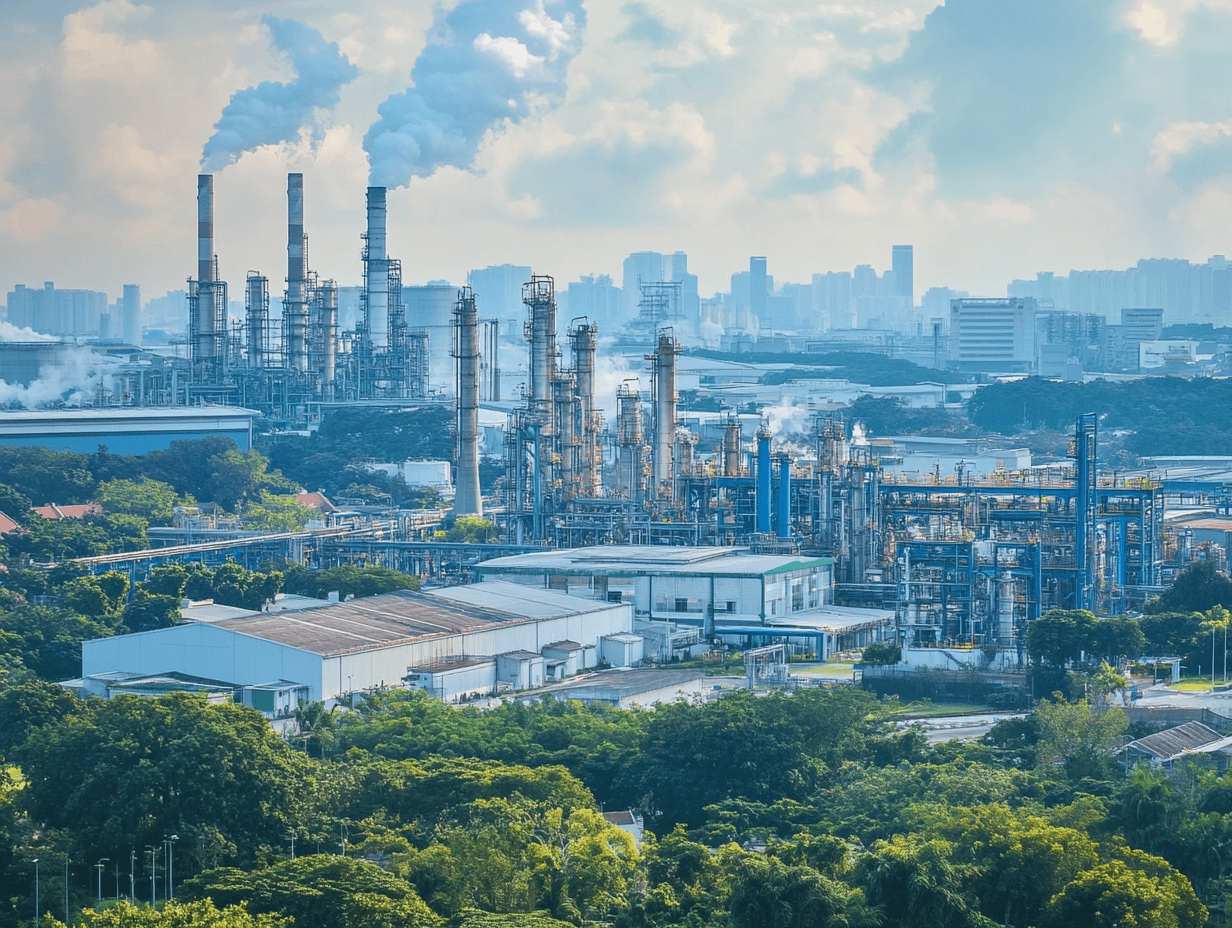
Texas, with its vast lands and cheap energy, has become a hotspot for data centers. Tech giants like Microsoft and Alphabet, along with real estate companies backed by private equity firms, are snapping up space. The Dallas-Fort Worth area is already the second-biggest US market for leased data center space. But this gold rush comes at a cost, notably an AI power drain that the infrastructure must manage.
The AI Power Drain is a Reality
Data centers consume enormous amounts of electricity. To keep up with Texas' soaring energy needs, the state's grid will need to support 152 gigawatts of demand on peak days by 2030, almost double what it can currently handle. Data centers and crypto miners account for a significant chunk of that projected demand. For more insights into the broader implications of this, consider how running out of data is becoming AI's next bottleneck.
“I am concerned about data centers and the consumption of power as AI computing becomes part of our everyday life,” says state Senator Nathan Johnson. “We have never dealt with electrical growth on this scale and speed.”
“I am concerned about data centers and the consumption of power as AI computing becomes part of our everyday life,” says state Senator Nathan Johnson. “We have never dealt with electrical growth on this scale and speed.”
Even Texas Lieutenant Governor Dan Patrick, known for his pro-business stance, has expressed concerns about the impact of data center growth on the grid, specifically citing the AI power drain challenges. This mirrors discussions in other regions, such as North Asia's diverse models of structured governance grappling with similar infrastructure demands.
The Strain on the Grid
The Texas power grid is no stranger to strain. In 2021, it buckled during a cold snap, leaving millions without power. Recent hurricanes have also highlighted the grid's vulnerabilities. With data centers needing more than 75 megawatts of power each, the grid is under immense pressure from the escalating AI power drain. The U.S. Energy Information Administration provides further data on electricity consumption in data centers.
“Texas wants to figure it out because it wants to win the data center investment journey, and I think they will,” says Ram Krishnan, COO of Emerson Electric Co. “But is there a coordinated plan for Texas to figure it out? I haven’t seen it.”
“Texas wants to figure it out because it wants to win the data center investment journey, and I think they will,” says Ram Krishnan, COO of Emerson Electric Co. “But is there a coordinated plan for Texas to figure it out? I haven’t seen it.”
The Land Grab
The appetite for data center construction is squeezing out other developers. Land that could be used for housing or other purposes is being snapped up by data centers, which consume vast amounts of energy and contribute significantly to the overall AI power drain. This issue is not unique to the US, as evidenced by the rapid expansion of AI infrastructure in regions like Southeast Asia.
“They’re gonna consume unimaginable swaths of energy,” says Fernando De Leon, founder of Leon Capital Group.
“They’re gonna consume unimaginable swaths of energy,” says Fernando De Leon, founder of Leon Capital Group.
The Hunt for Solutions
Utility operators are scrambling to find solutions. Alternative energy sources, including small modular nuclear reactors, are being considered. But these won't be available at an industrial scale until well into the next decade. In the meantime, Texas is open to expanding gas power, but even this takes time to offset the AI power drain.
“For energy, from now to 2030 is very short-term type of planning,” says Pablo Koziner, CCO of GE Vernova Inc. “It’s very unlikely that you can solve for that in any other way without some element of gas power.”
“For energy, from now to 2030 is very short-term type of planning,” says Pablo Koziner, CCO of GE Vernova Inc. “It’s very unlikely that you can solve for that in any other way without some element of gas power.”
The Future of Data Centers in Texas
Some data center developers are looking beyond Texas to places like the Midwest and Reno, Nevada. But Texas isn't done yet. The limitations aren't resources on the data center owner side, but the availability of power to cope with the AI power drain.
“I don’t think Dallas is done by any means,” says Chris Cornick, head of megaprojects at Ferguson Plc.
“I don’t think Dallas is done by any means,” says Chris Cornick, head of megaprojects at Ferguson Plc.
The Road Ahead
The road ahead is challenging but not insurmountable. Texas needs a coordinated plan to manage the growth of data centers and the demand they place on the grid. Alternative energy sources and better grid planning are crucial to counter the effects of AI power drain. The future of AI depends on it.
Comment and Share
What do you think Texas should do to manage the growth of data centers? Share your thoughts and ideas in the comments below. And don't forget to Subscribe to our newsletter for updates on AI and AGI developments.
YOUR TAKE
We cover the story. You tell us what it means on the ground.
What did you think?
Share your thoughts
Be the first to share your perspective on this story
This is a developing story
We're tracking this across Asia-Pacific and may update with new developments, follow-ups and regional context.