Authors sue Anthropic for alleged copyright infringement in training Claude AI chatbot.,Lawsuit claims Anthropic used pirated books, disputing the "fair use" defence.,Similar lawsuits are piling up against OpenAI and other AI developers.
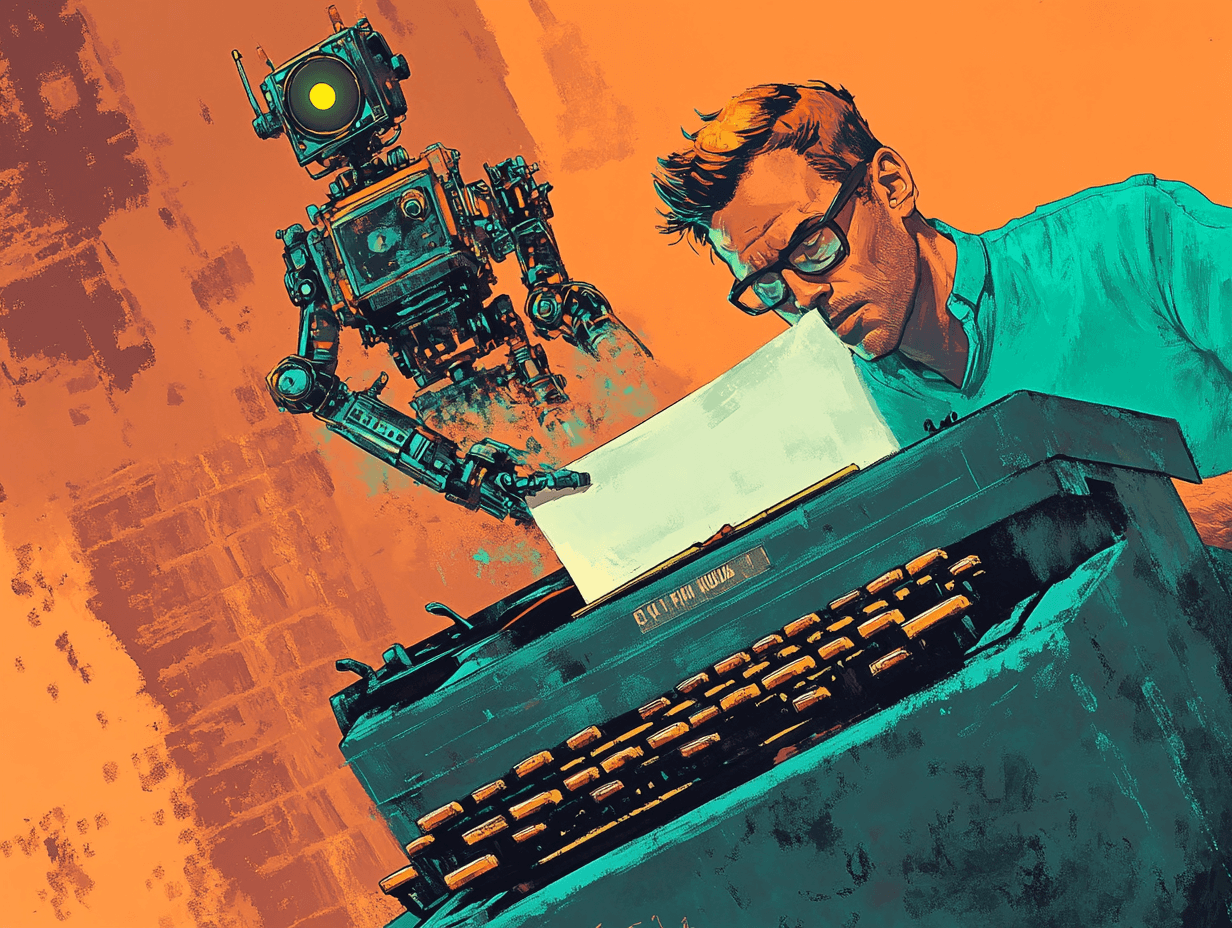
Imagine this: You're an author, and suddenly, your words are being used to teach artificial intelligence without your permission. That's the reality for a group of authors who are suing AI startup Anthropic, claiming it committed "large-scale theft" to train its popular chatbot, Claude.
The Lawsuit: Authors vs. Anthropic
A trio of writers—Andrea Bartz, Charles Graeber, and Kirk Wallace Johnson—have filed a lawsuit against Anthropic. They allege that the company used pirated copies of copyrighted books to train Claude. This isn't the first time AI developers have faced such accusations. Competitors like OpenAI, the creator of ChatGPT, are battling similar lawsuits.
The Allegations
The authors claim that Anthropic's actions "have made a mockery of its lofty goals" of being a responsible AI developer. They argue that the company profited from "strip-mining the human expression and ingenuity" behind countless works.
"It is no exaggeration to say that Anthropic’s model seeks to profit from strip-mining the human expression and ingenuity behind each one of those works," the lawsuit says.
"It is no exaggeration to say that Anthropic’s model seeks to profit from strip-mining the human expression and ingenuity behind each one of those works," the lawsuit says.
The Dataset in Question
The lawsuit specifically mentions a dataset called "The Pile," which allegedly includes a trove of pirated books. The authors dispute the idea that AI systems learn like humans do, arguing that humans buy or borrow books, providing compensation to creators.
The Fair Use Defence
Anthropic and other tech companies have argued that training AI models falls under the "fair use" doctrine of U.S. laws. This doctrine allows for limited uses of copyrighted materials for purposes like teaching, research, or transforming the work into something different. However, the lawsuit disputes this defence.
The Wider AI Copyright Battle
This isn't an isolated incident. AI developers are facing a growing number of lawsuits from various creators, including writers, visual artists, and music labels. These creators allege that generative AI profits have been built on misappropriation of their work. We've previously discussed how Warner Bros takes Midjourney to court over AI and superheroes and how Spotify cuts 75 million tracks as AI music flood forces streaming rethink.
OpenAI and Others
OpenAI and its business partner Microsoft are battling copyright infringement cases led by prominent authors like John Grisham, Jodi Picoult, and George R. R. Martin. They're also facing lawsuits from media outlets such as The New York Times, Chicago Tribune, and Mother Jones. The ongoing legal battles highlight the complexities of AI's Secret Revolution: Trends You Can't Miss in the creative industries.
The Impact on the AI Industry
These lawsuits could significantly impact the AI industry. If courts rule in favour of the authors, AI developers may have to change how they train their models. This could potentially slow down AI development or make it more costly. For a deeper dive into the legal frameworks surrounding AI, the U.S. Copyright Office's stance on AI and copyright provides valuable context.
The Future of AI and Copyright
So, what's next? The outcome of these lawsuits could help shape the future of AI and copyright law. It's a complex issue that balances the rights of creators with the potential benefits of AI. The debate over Is AI Cognitive Colonialism? also touches upon similar ethical considerations regarding the use of existing human creations.
Comment and Share:
What are your thoughts on the balance between AI development and creators' rights? How do you think these lawsuits will shape the future of AI? Share your thoughts in the comments below and don't forget to Subscribe to our newsletter for updates.
YOUR TAKE
We cover the story. You tell us what it means on the ground.
What did you think?
Share your thoughts
Be the first to share your perspective on this story
This is a developing story
We're tracking this across Asia-Pacific and may update with new developments, follow-ups and regional context.