Google's bold declaration coincides with the release of its advanced Gemini 3 and Gemini 3 Flash models, detailed in a comprehensive year-end research summary published on 23rd December.
The summary outlined significant progress across eight key research areas and immediately triggered a competitive flurry among rival AI developers.
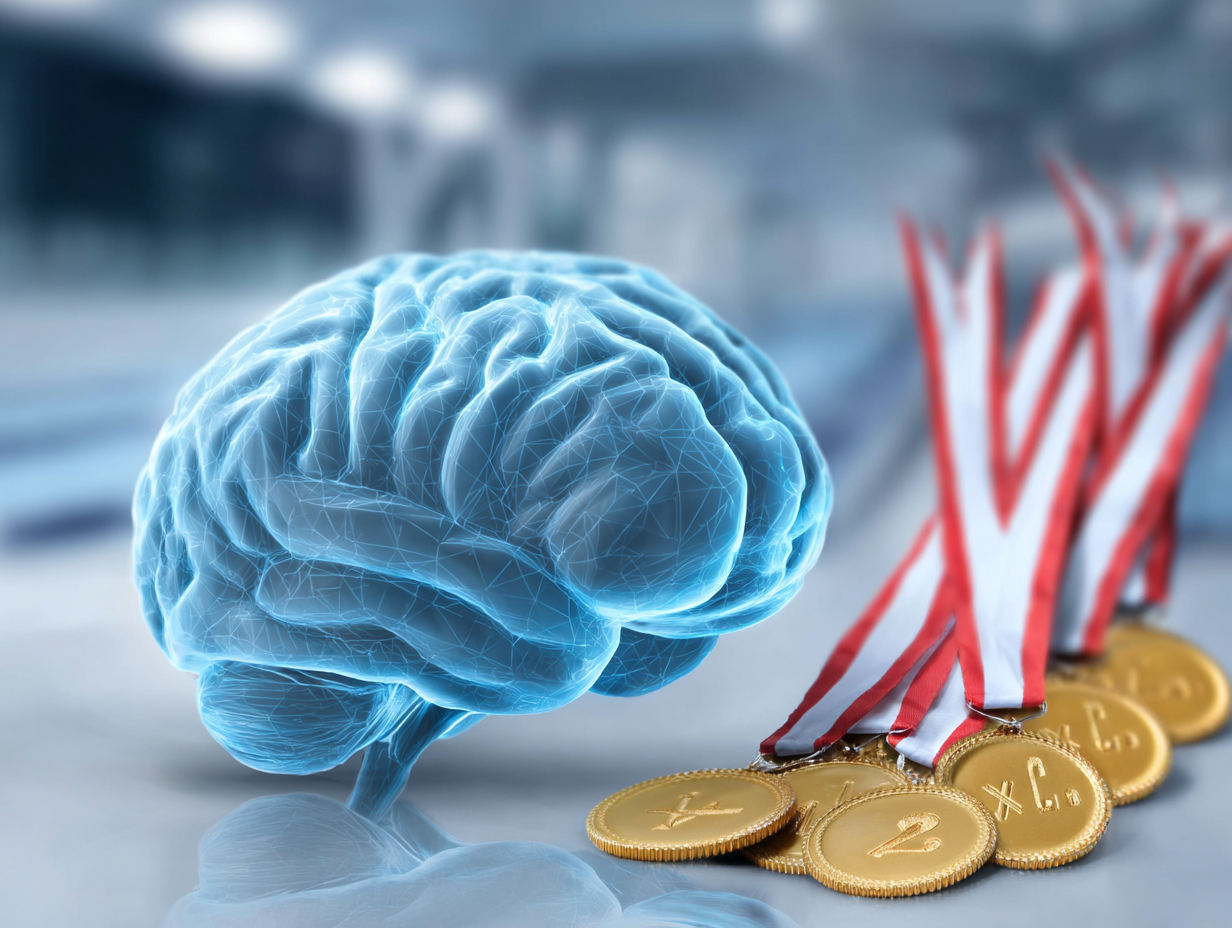
The company first unveiled Gemini 3 Pro on 17th November, positioning it as their "most intelligent model" to date. This was swiftly followed by Gemini 3 Flash on 16th December, which became the default model for various consumer applications. These new models have demonstrated remarkable capabilities, achieving gold medal standards in challenging academic competitions.
Specifically, they solved five out of six problems in the International Mathematics Olympiad and ten out of twelve problems in the International Collegiate Programming Contest, all within the strict time limits of the competitions.
Rival Responses and Internal Pressures
Google's Gemini 3 launch prompted a swift internal "code red" at OpenAI, according to CEO Sam Altman. This led to the accelerated release of GPT-5.2 on 11th December, weeks ahead of its original schedule. Altman later told CNBC that Google's new models "had a lesser impact on the company's performance metrics than initially anticipated," and he expected OpenAI to revert from "code red" status by January. Fidji Simo, OpenAI's head of applications, confirmed that resources were indeed redirected towards ChatGPT development, though she refuted claims that the launch was rushed. This incident highlights the intense competition and rapid pace of development in the AI sector, as seen with their recent acquisition of Neptune AI. This competitive pressure is a recurring theme, as seen in the news that OpenAI CEO issues "code red" as Gemini hits 200M users.
The General Intelligence Debate
The successive AI releases have reignited fundamental philosophical debates among leading figures in the AI community. Demis Hassabis, CEO of Google DeepMind, publicly challenged Meta AI Chief Scientist Yann LeCun's assertion that "there is no such thing as general intelligence." In a December post, Hassabis dismissed LeCun's statement as "plain incorrect," arguing that LeCun was confusing general intelligence with universal intelligence. Hassabis posited that human brains act as "approximate Turing Machines," capable of learning anything computable given sufficient resources. This view found support from Elon Musk, who publicly agreed with Hassabis.
LeCun, however, has maintained his position, clarifying that his objection centres on terminology. He stated, "I object to the use of 'general' to designate 'human level' because humans are extremely specialised." This ongoing exchange underscores the significant disagreements regarding the very definition of intelligence as the industry progresses towards creating increasingly capable systems. Understanding these nuances is crucial, particularly as discussions around the danger of anthropomorphising AI continue to evolve.
The debate over what constitutes "general intelligence" and how it differs from human-level intelligence remains a core challenge for researchers, as detailed in recent academic discussions on AI capabilities here AGI.
What's your take on this ongoing debate about general intelligence? Share your thoughts in the comments below.
YOUR TAKE
We cover the story. You tell us what it means on the ground.
What did you think?
Share your thoughts
Be the first to share your perspective on this story
This is a developing story
We're tracking this across Asia-Pacific and may update with new developments, follow-ups and regional context.