Right, let's talk about the latest buzz from OpenAI's Sora, because they've just dropped some rather interesting new features. It's not just about making short, snazzy AI videos anymore; they're really pushing the boundaries of what you can create.
Bringing Your Characters to Life
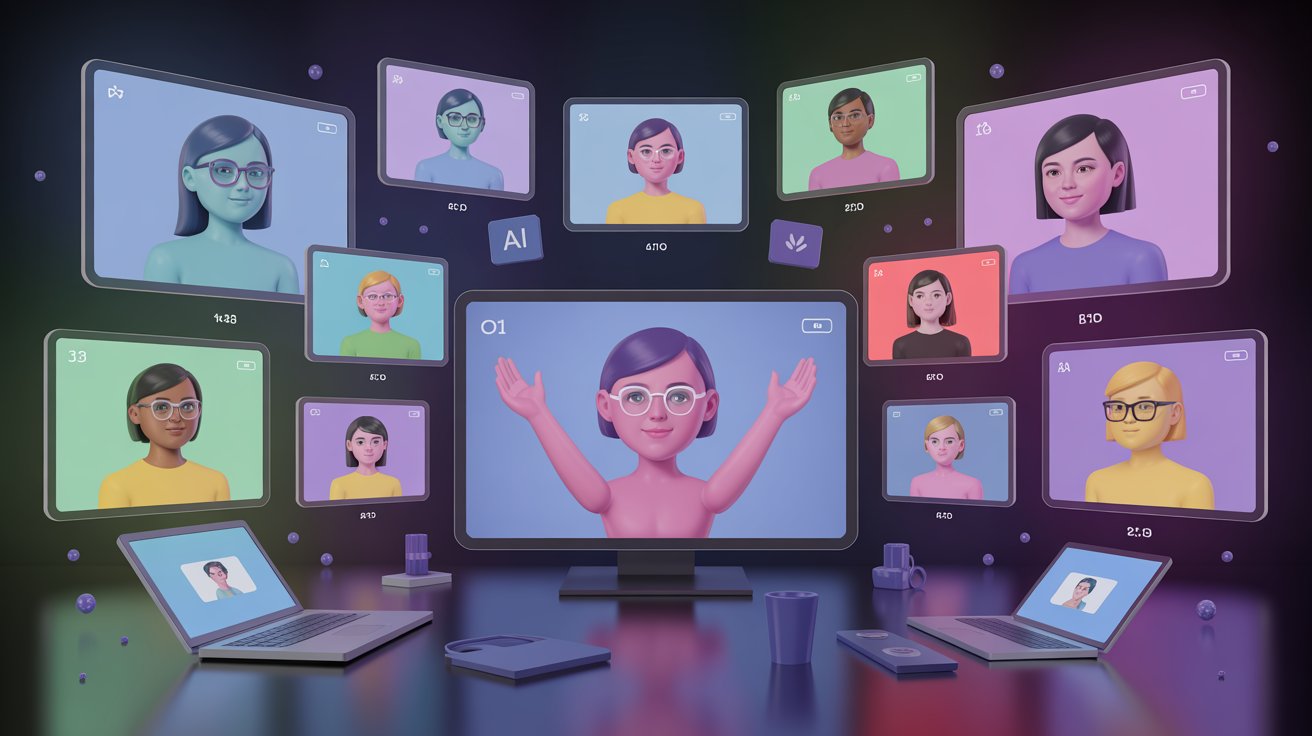
One of the standout additions is what they're calling "character cameos." Now, this isn't entirely new territory for Sora, as they already allowed folks to make AI versions, or 'deepfakes', of themselves. But this new feature expands that capability quite a bit. You can now turn pretty much anything into a reusable avatar for your AI-generated videos.
Imagine this: you could take your beloved pet, a quirky illustration you've drawn, or even a favourite toy, and transform it into a digital character. Once it's created, you can then pop it into your videos. Sora's even launching with a bunch of pre-made characters to get everyone started, which is a nice touch.
Once created, each character comes with its own permissions, separate from your personal likeness: keep it just for yourself, share it with mutual followers, or open it to everyone on Sora.
This quote from OpenAI's release notes highlights the control you'll have over your creations. You can keep your unique character private, share it with friends, or even make it available to the wider Sora community. Plus, you can give your character a snazzy display name and handle, and easily tag it into any video you're making. It sounds like a fun way to bring consistency and personality to your video projects. For those interested in getting started, check out our Beginner's Guide to Using Sora AI Video.
The Plot Thickens: AI and Copyright
There's a bit of a curious point here, though. OpenAI mentions you can create these character cameos using an "original persona" generated within Sora. But it's not entirely clear if you can upload fictional characters made with other AI tools. And how photorealistic can they be? This gets a bit murky, especially if you could upload any AI-generated person. How would Sora differentiate that from an image of a real person? These are questions that will likely need addressing as the feature develops.
Interestingly, this update comes hot on the heels of the celebrity video platform, Cameo, suing OpenAI for trademark infringement. They're not too keen on OpenAI using the word "cameo" for their Sora app features, which is understandable given their brand. It's a classic example of how quickly legal challenges can arise in the fast-moving tech world. We've seen similar issues with Warner Bros taking Midjourney to court over AI and superheroes. This legal battle highlights the complex interplay between intellectual property and emerging AI technologies, a topic that is increasingly debated, as detailed in reports such as the World Intellectual Property Organization's (WIPO) work on intellectual property and artificial intelligence^ https://www.wipo.int/artificial_intelligence/en/.
Stitching Stories Together
Beyond the character fun, Sora is also rolling out "video stitching" capabilities. This is a big one for anyone wanting to create more complex narratives. Now, instead of just making short, isolated clips, you can connect multiple videos together. This means you can create longer, multi-scene videos, which really opens up the potential for storytelling and more intricate content creation.
To add a bit of friendly competition and showcase what's popular, there are also new leaderboards. These will highlight the most remixed videos and the most frequently used users and characters. It's a clever way to encourage engagement and give users ideas for their own creations.
Good news for those keen to try it out too. OpenAI has temporarily made the Sora app more accessible. For a "limited time," people in the US, Canada, Japan, and Korea can sign up without needing an invitation code. So, if you're in one of those regions and curious about what all the fuss is about, now might be your chance to jump in and start experimenting with these new tools. It's an exciting time for AI video creation, that's for sure!