

Asia's AI Reality Check: Separating Promise from Performance
The artificial intelligence revolution promised to solve humanity's greatest challenges, from climate change to global conflicts. Yet three years into widespread AI adoption, reality is proving more nuanced. While OpenAI and other tech giants continue pushing the boundaries of what's possible, businesses across Asia are discovering that AI's true value lies not in grand promises but in targeted applications.
Asia-Pacific markets are particularly well-positioned to benefit from this pragmatic approach. Unlike Western markets caught up in AGI speculation, Asian enterprises are methodically implementing AI where it delivers measurable results: supply chain optimisation, customer service automation, and predictive maintenance.
The AGI Mirage: Why General Intelligence Remains Elusive
The pursuit of artificial general intelligence (AGI) continues to dominate headlines, but experts are growing increasingly sceptical about near-term breakthroughs. At recent industry conferences, the consensus has shifted from "when" to "if" regarding AGI's arrival.
"It's a pipe dream. It's a little bit science fiction," said Michael Littman, a computer science professor discussing AGI timelines at recent technology forums.
This scepticism isn't dampening innovation but rather redirecting it toward practical applications. In Southeast Asia's AI startup ecosystem, venture capital is flowing toward companies solving specific problems rather than chasing general intelligence.
The focus on narrow AI applications makes economic sense. Current AI excels at pattern recognition, data analysis, and task automation within defined parameters. Asking AI to restructure entire economic systems remains beyond its capabilities.
Asia's Practical AI Revolution
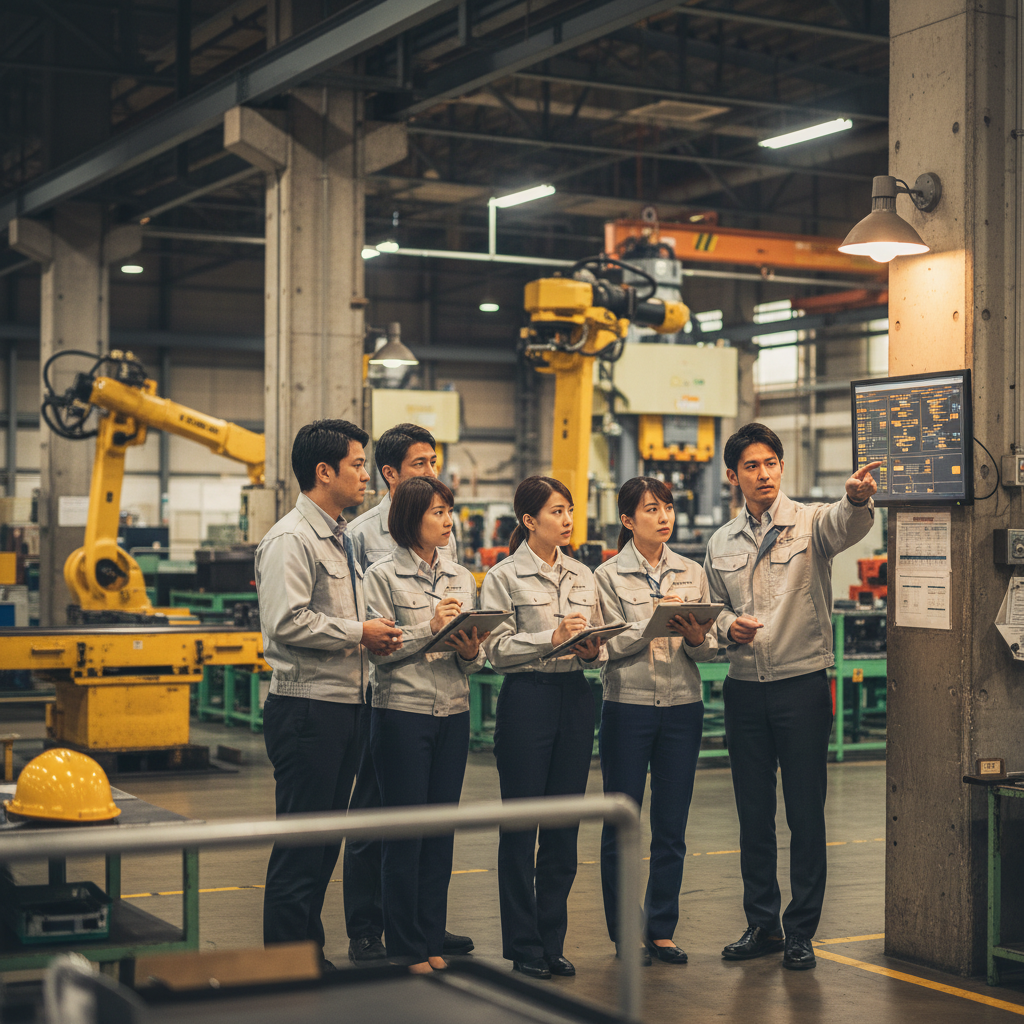
Across Asia-Pacific, companies are implementing AI with measured expectations and tangible outcomes. Alibaba uses machine learning algorithms to optimise logistics across millions of daily transactions. Tencent applies AI for content moderation and recommendation systems. Samsung integrates AI into manufacturing processes to reduce defects and improve efficiency.
This practical approach extends beyond tech giants. In healthcare, AI assists radiologists with image analysis but doesn't replace human expertise. In finance, algorithms detect fraud patterns while human analysts make final decisions. The transformation of Asian banking exemplifies this balanced approach.
"The true differentiator in the years ahead won't be how fast technology can work, but how thoughtfully leaders can question it," notes Aashna Kircher, Group General Manager for the oCHRO at Workday.
By The Numbers
- 43% of global CEOs report increased revenue or lower costs from AI initiatives, while 42% remain without measurable benefits
- By 2026, AI inference will account for two-thirds of all AI computing demand, primarily in energy-intensive data centres
- Stanford experts predict Asia-Pacific nations will build sovereign AI models and data centres to prioritise national control over global systems
- Most organisations remain in piloting and experimentation phases after three years of AI adoption
- Employee accountability for AI use is shifting from adoption to effective implementation
The Climate Change Reality: Beyond Technological Solutions
AI enthusiasts often position the technology as a climate solution, but the reality is more complex. While AI can optimise energy consumption and improve weather forecasting, climate change requires systemic political and economic changes that no algorithm can deliver.
The energy demands of AI itself present a paradox. Training large language models consumes enormous amounts of electricity, often from carbon-intensive sources. As Asia's AI memory chip war intensifies, the industry must confront its own environmental impact.
Consider these limitations:
- AI can optimise renewable energy distribution but cannot overcome political resistance to climate action
- Machine learning improves agricultural yields yet cannot address land rights disputes or food distribution inequities
- Predictive models enhance disaster preparedness but cannot eliminate the root causes of vulnerability
- Smart city technologies reduce urban emissions while potentially increasing digital surveillance and inequality
Regulatory Frameworks: Asia's Measured Approach
As AI capabilities expand, Asian governments are developing regulatory frameworks that balance innovation with public safety. Vietnam recently became the first Southeast Asian nation to enforce comprehensive AI legislation, while Singapore continues refining its model AI governance framework.
The regulatory landscape across Asia varies significantly:
| Country | Approach | Key Features | Implementation |
|---|---|---|---|
| Singapore | Voluntary guidelines | Risk-based framework | Industry self-regulation |
| Vietnam | Comprehensive law | Mandatory compliance | Government enforcement |
| China | Algorithmic regulation | Content and data focus | Strict oversight |
| Japan | Innovation-friendly | Ethical AI principles | Industry collaboration |
These frameworks acknowledge that building local AI regulation requires understanding regional contexts rather than importing Western models wholesale.
The Trust Deficit Challenge
Despite growing AI adoption, trust remains a significant barrier across Southeast Asia. Cultural factors, data privacy concerns, and limited digital literacy contribute to what experts call an AI trust deficit in the region.
This trust gap manifests in various ways. Consumers hesitate to share personal data for AI-powered services. Employees worry about job displacement without adequate retraining programmes. Governments struggle to balance innovation incentives with citizen protection.
Addressing these concerns requires transparency, education, and inclusive development approaches that consider diverse stakeholder perspectives.
Will AI replace human jobs entirely?
No, but it will reshape many roles significantly. While AI automates routine tasks, it creates new opportunities requiring human creativity, emotional intelligence, and complex problem-solving skills that machines cannot replicate.
Can AI solve global warming?
AI can contribute to climate solutions through energy optimisation and emissions monitoring, but it cannot address the political, economic, and social systems driving climate change.
When will AGI become reality?
Despite bold predictions, most experts believe AGI remains decades away, if achievable at all. Current AI excels in narrow domains but lacks general reasoning capabilities.
How should businesses approach AI implementation?
Start with specific, measurable problems rather than grand transformation goals. Focus on areas where AI demonstrably improves efficiency or outcomes, and maintain human oversight throughout implementation.
What role should governments play in AI regulation?
Governments should establish frameworks balancing innovation with safety, privacy, and fairness. This includes supporting AI education, ensuring ethical standards, and preventing discriminatory applications.
As AI continues evolving, the most successful implementations will be those grounded in practical applications rather than utopian visions. The technology's limitations don't diminish its value but rather clarify where it can make meaningful contributions.
The future of AI in Asia depends on maintaining this balanced perspective. Rather than expecting AI to solve humanity's greatest challenges, we should appreciate its ability to make incremental improvements across countless smaller problems.
What specific AI applications do you think show the most promise for solving real-world problems in your industry? Drop your take in the comments below.










Latest Comments (3)
agreed on the need for ethical and regulatory frameworks. in malaysia, our national ai roadmap emphasizes responsible innovation. it's crucial these frameworks aren't just an afterthought but integrated from the design phase, particularly given the specific ways ai is being adopted across asean economies.
it's interesting how the piece talks about climate change and war as these 'significant challenges' AI can't solve. from a media studies perspective, that's almost a given. these are deeply human, social problems, not just data points for a machine to process. the solution isn't just about information, but power, culture, and ethics.
this is what I keep telling my team re: on-device models. everyone wants general AI locally but it's just not feasible with current hardware constraints. narrow, specific tasks are where we see real gains, not trying to restructure entire economic systems with AI.
Leave a Comment